Adjustable Airflow vs Fixed Draw Pods: What Are the Pros & Cons?
 2026-02-25
 GUIDES
A pod that once felt perfectly balanced can suddenly feel too tight. Another device may deliver clouds smoothly but seem to lack intensity. These differences are rarely random. They are the result of airflow architecture.
When comparing adjustable airflow pods and fixed draw pods, the real distinction lies in control versus calibration. Both approaches influence vapor warmth, flavor density, throat sensation, and nicotine delivery. Understanding how airflow works inside a pod system is essential before choosing the right setup.
This is not simply a feature comparison. It is a structural pod system comparison that shapes the entire vaping experience.
How Vape Airflow Control Shapes the Entire System
Airflow determines how much air passes across the coil during inhalation. That single variable affects:
- Vapor temperature
- Flavor concentration
- Cloud density
- Throat hit intensity
- E‑liquid consumption
- Internal chamber pressure balance
When airflow increases, more air cools the coil and dilutes vapor density. The inhale becomes smoother and cooler. When airflow is restricted, vapor becomes warmer, more concentrated, and often stronger in both flavor and throat hit.
In modern pod systems, airflow is engineered alongside coil resistance, mesh surface area, cotton density, and chipset regulation. It is not an isolated mechanical opening. It is part of a calibrated environment that manages heat transfer, liquid saturation, and pressure stability. Poor airflow pairing can disrupt this balance, affecting flavor clarity and long‑term performance.
What Are Adjustable Airflow Pods?
Adjustable airflow pods allow users to manually control inhale resistance. This is usually achieved through a slider, rotating airflow ring, or stepless airflow control integrated into the device or cartridge.
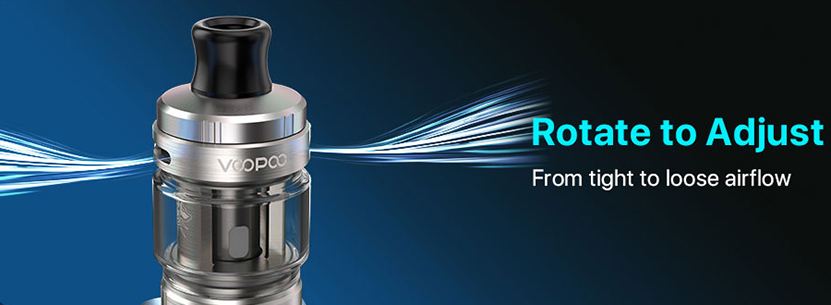 The purpose is personalization.
With adjustable airflow, users can tighten the draw for a cigarette‑style mouth‑to‑lung inhale or open it for restricted direct lung performance. This flexibility makes adjustable airflow pods ideal for those exploring MTL vs RDL pods within a single device.
By narrowing airflow, vapor becomes denser and warmer, increasing perceived nicotine impact. By widening airflow, vapor becomes smoother and cooler, with increased cloud production.
The advantage of adjustable airflow lies in adaptability. As preferences evolve, the same device can shift between inhale styles without requiring replacement. However, adjustment introduces responsibility. Opening airflow too far for a high‑resistance coil can dilute flavor. Restricting airflow excessively for a low‑resistance coil can increase heat stress.
For experienced users, vape airflow control becomes part of fine tuning. For beginners, it may take a few small adjustments to find the ideal balance.
What Are Fixed Draw Pods?
Fixed draw pods operate with a pre‑engineered airflow channel that cannot be adjusted. The inhale resistance is calibrated during design to match a specific coil range and nicotine strength profile.
The benefit is consistency.
Every puff feels the same because the airflow is optimized for stable performance within defined parameters. This approach minimizes configuration errors and simplifies operation.
Most fixed draw pods are designed for mouth‑to‑lung inhalation. The restricted airflow produces concentrated flavor and a defined throat hit, especially when paired with nicotine salts.
For users selecting a beginner vape pod system, fixed draw pods remove complexity and enhance reliability. The trade‑off is flexibility. If inhalation preference changes, the device cannot adapt.
MTL vs RDL Pods and Why Airflow Is Central
MTL, or mouth‑to‑lung, replicates the inhale pattern of smoking. It requires restricted airflow, higher resistance coils, and lower wattage output. Vapor is warmer and more concentrated.
RDL, or restricted direct lung, uses moderately open airflow and mid‑range resistance coils. The inhale is deeper, smoother, and produces more vapor without fully entering direct‑lung territory.
Adjustable airflow pods support movement between these styles. Fixed draw pods usually focus on one.
When comparing MTL vs RDL pods, airflow design determines how effectively a device delivers each experience.
Airflow and Coil Resistance: A System Relationship
Airflow must match coil resistance.
Low resistance coils generate more vapor and require increased airflow to prevent overheating. High resistance coils perform best with restricted airflow, preserving warmth and flavor density.
Too little airflow for a sub‑ohm coil accelerates cotton degradation. Too much airflow for a high‑resistance coil dilutes vapor and reduces satisfaction.
Advanced pod systems engineer airflow channels, mesh geometry, and cotton layering together to maintain pressure balance and consistent saturation. This integration reduces leaking, prevents dry hits, and stabilizes long‑term performance.
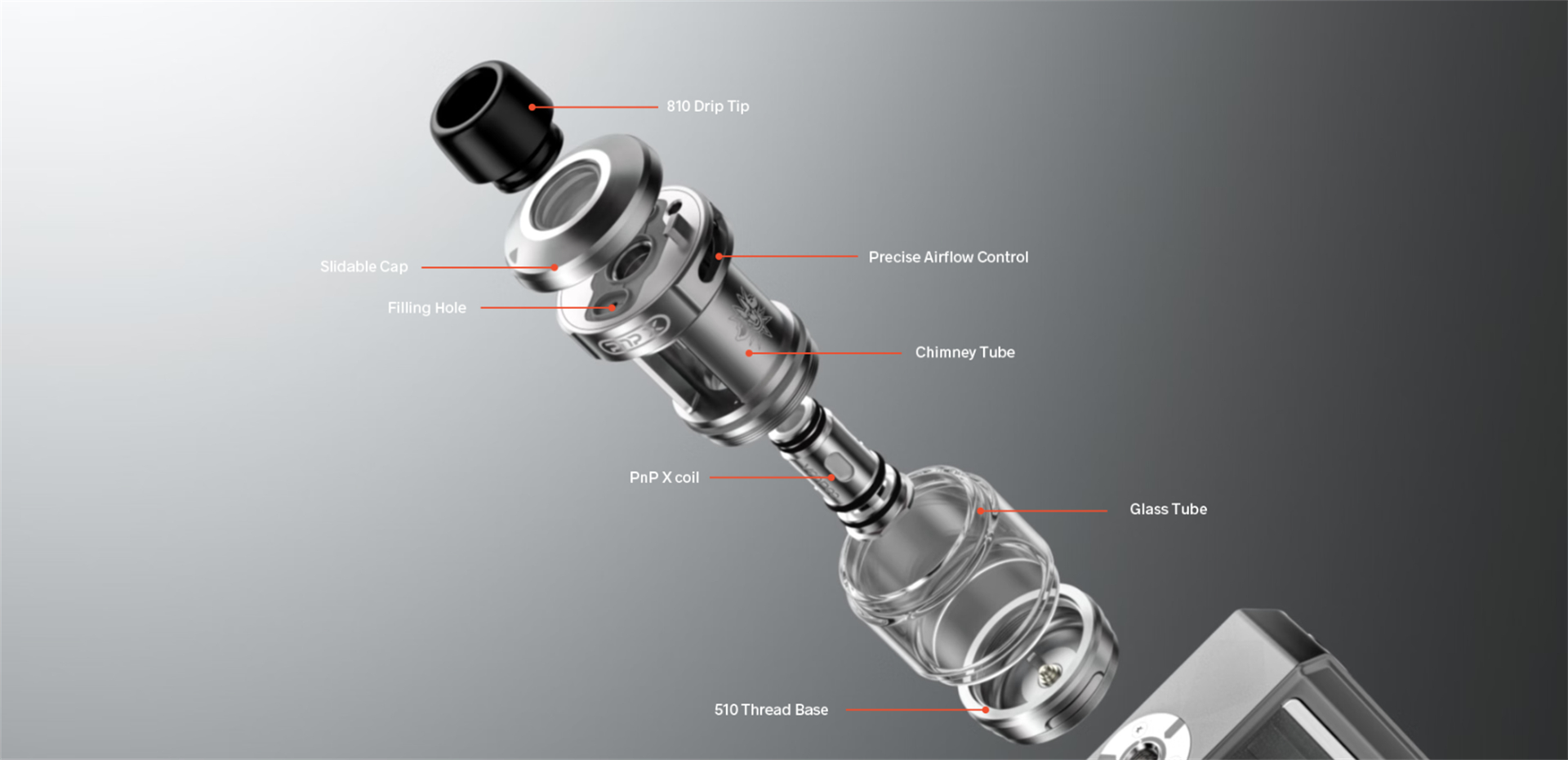
VOOPOO UFORCE-X TANK
Device Architecture in Practice: VOOPOO Examples
Different devices illustrate how airflow philosophy shapes performance.
DRAG X3: External Battery Pod Mod Powered by PnP X Platform
DRAG X3 is an 80 W pod mod designed with external 18650 or 21700 single battery compatibility, offering flexible and sustained energy support for extended use. Airflow adjustment is not built into the DRAG X3 device itself. Instead, adjustable airflow is achieved through the PnP X Cartridge paired with the device. The PnP X Cartridge features a top airflow system with precise airflow control, allowing users to fine tune their inhale depending on the selected coil and airflow setting.
Powered by the PnP X platform, DRAG X3 supports a wide resistance range from 0.1 Ω to 3.0 Ω, covering 5 W to 80 W output. When combined with the PnP X coils and cartridges, the system delivers consistent flavor performance with structured leak resistant airflow design.
This architecture clearly separates device power delivery and cartridge airflow control, ensuring that energy output, coil resistance, and airflow adjustment work together as an integrated pod mod solution rather than as standalone hardware features.
DRAG S3: Compact 60 W Pod Mod with Integrated Power System
DRAG S3 is a compact 60 W pod mod featuring a built in 3000 mAh high density battery, engineered to deliver extended runtime in a portable form factor. Designed for daily reliability, it balances battery efficiency and compact structure without relying on external cells.
Similar to DRAG X3, airflow adjustment is not controlled by the DRAG S3 device body. The adjustable airflow function is achieved through the PnP X Cartridge used with the device. The cartridge adopts a top airflow system with precise airflow scaling, allowing users to adjust inhalation depending on coil selection and airflow positioning.
Powered by the PnP X platform, DRAG S3 supports a resistance range from 0.1 Ω to 3.0 Ω with output power adjustable from 5 W to 60 W. When paired with compatible PnP X coils from 0.6 Ω or 0.8 Ω, the system ensures stable vapor production and refined flavor consistency.
The overall design highlights a clear separation between device power delivery and cartridge airflow regulation. By combining a built in battery system with the PnP X platform cartridge structure, DRAG S3 delivers a structured pod mod solution optimized for balanced performance and everyday versatility.
VOOPOO VINCI S: Minimalist Adjustable Airflow for Everyday Use
VOOPOO VINCI S focuses on simplicity while retaining airflow flexibility. Powered by a 2000 mAh battery, it integrates stepless airflow adjustment with automatic power recognition.
The airflow design supports smooth transitions between tighter MTL draws and looser restricted lung inhales without complicated configuration.
Its structure demonstrates how adjustable airflow can remain beginner‑friendly when paired with intelligent regulation and integrated cartridge design.
VOOPOO NAVI × Cyph Kit 80K: Refillable Flexibility with Two-Step Airflow Adjustment
VOOPOO NAVI × Cyph Kit 80K combines refillable convenience with adjustable performance control. Designed with a replaceable pod system and dual mesh coil structure, it supports extended puff capacity while maintaining consistent vapor output.
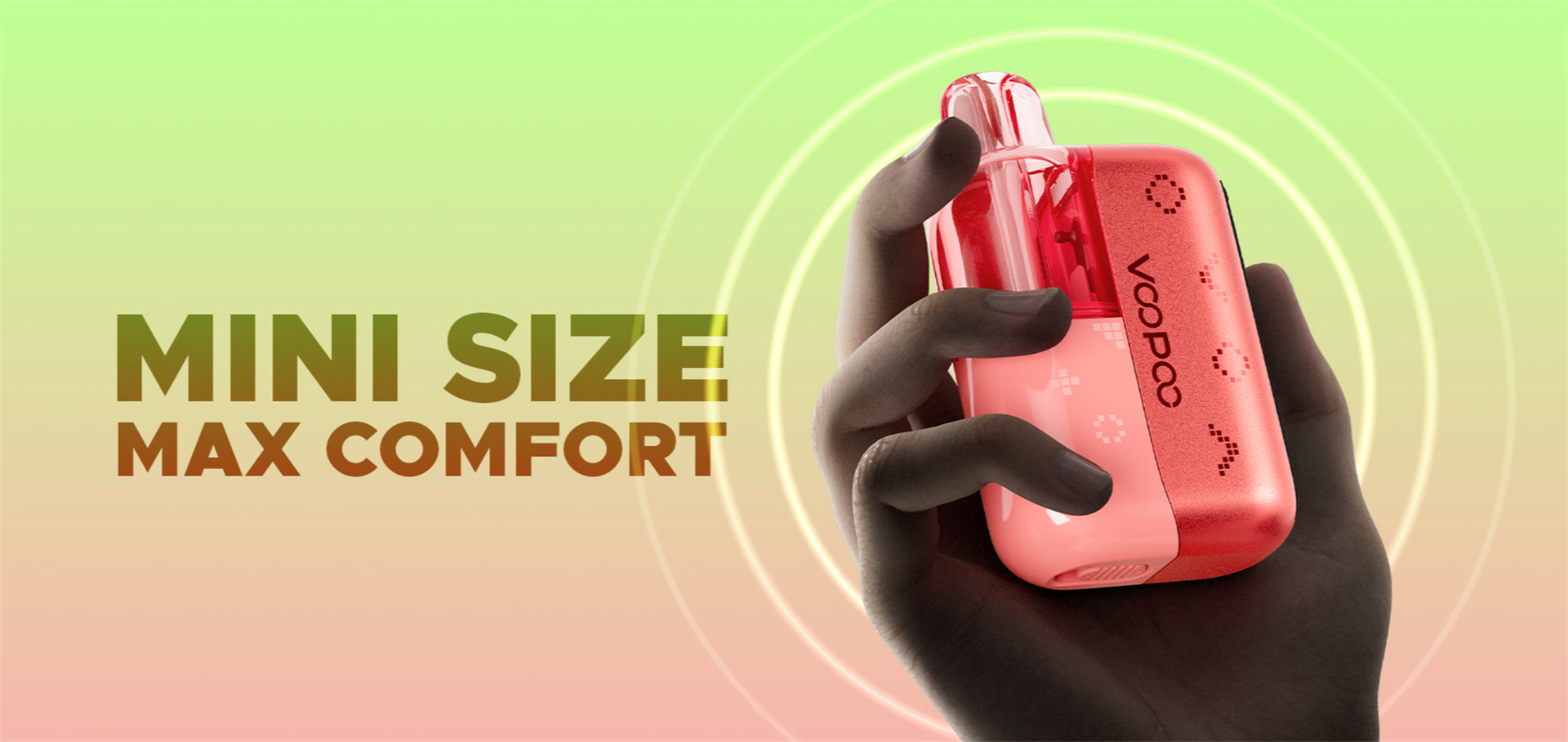
Unlike fixed airflow devices, NAVI features two-step airflow adjustment located at the bottom of the device. This allows users to fine tune their draw resistance smoothly, adapting airflow from a tighter inhale to a more open draw according to personal preference. The adjustable airflow works in coordination with the 0.6 Ω dual mesh coil and 50 mg/mL nicotine strength, balancing vapor density and throat hit without compromising stability.
With dual modes, a 1500 mAh battery, and a 30 mL bottle of cyph Salts, VOOPOO NAVI × Cyph Kit 80K is built for sustained use. The adjustable airflow system enhances usability by giving users greater control while retaining the simplicity of refill and snap in operation.
In this configuration, airflow flexibility becomes part of the overall design logic, ensuring that refillable structure, dual mesh performance, and draw customization function as one integrated system.
Choosing Between Adjustable Airflow Pods and Fixed Draw Pods
The right choice depends on experience level and inhalation preference.
If simplicity and consistent MTL performance are priorities, fixed draw pods provide reliable satisfaction with minimal setup.
If customization and multi‑style flexibility matter, adjustable airflow pods offer long‑term adaptability across MTL vs RDL pods and even restrained DTL use.
In a comprehensive pod system comparison, adjustable airflow increases versatility, while fixed draw enhances operational ease.
The Future of Pod Systems and Airflow Engineering
Airflow engineering continues to evolve alongside coil innovation and chipset intelligence.
Modern systems incorporate pressure‑balanced chambers, leak‑resistant top airflow channels, and precision mesh structures designed for defined airflow volumes. Intelligent chipsets regulate power dynamically to maintain stable thermal output regardless of airflow position.
As pod systems mature, airflow becomes an integrated structural element rather than a simple adjustment slot. It connects flavor stability, vapor smoothness, and long‑term reliability into one cohesive experience.
Summary
Adjustable airflow pods provide customization, flexibility across MTL vs RDL pods, and the ability to evolve with changing preferences. Fixed draw pods deliver consistency, simplicity, and ease of use, especially for those seeking a beginner vape pod system.
Vape airflow control directly shapes vapor warmth, flavor intensity, throat hit, and device stability. The right choice depends on how you inhale today and whether you value personalization or calibrated consistency for the long term.
Warning: This product may be used with e-liquid products containing nicotine, which is a highly addictive substance.
.jpg)