How Many Vape Puffs Equal One Cigarette?
 2026-08-27
 INTERESTS
If you've ever compared vaping with smoking, this is probably one of the first questions that comes to mind. It sounds like there should be a simple conversion—perhaps 10 puffs, 15 puffs, or another fixed number.
The reality is more complicated.
Quick answer: There is no universal number that works for every vape. Nicotine delivery depends on nicotine concentration, nicotine type, device output, e-liquid consumption, puff duration, and vaping style.
A 5% nicotine salt pod and a 3 mg/mL freebase e-liquid used in a high-output device are not directly comparable, even if you take the same number of puffs.
This guide explains how nicotine strength works, why puff count alone is misleading, and provides practical estimates for different vaping scenarios.
Table of Contents
- How Much Nicotine Does One Cigarette Deliver?
- What Does 3%, 5%, or 20 mg/mL Mean?
- Why You Can't Simply Convert Puffs to Cigarettes
- Freebase vs. Nicotine Salt: Does It Matter?
- Estimating Puffs Per Cigarette: A Practical Guide
- Research Notes & Limitations
- Does 5% Vape Equal One Cigarette?
- What About 3% Nicotine and Lower Strengths?
- Key Factors That Determine Nicotine Per Puff
- Common Misconceptions
- FAQ: Vape Puffs vs. Cigarettes
- Final Takeaway
What Does 3%, 5%, or 20 mg/mL Mean?
Vape nicotine is expressed as a percentage or mg/mL.
1% nicotine ≈ 10 mg/mL
| Strength | Approx. Concentration |
|---|---|
| 0.3% | 3 mg/mL |
| 0.6% | 6 mg/mL |
| 1.2% | 12 mg/mL |
| 1.8% | 18 mg/mL |
| 2% | 20 mg/mL |
| 3% | 30 mg/mL |
| 5% | 50 mg/mL |
A 5% e-liquid contains approximately 50 mg of nicotine per milliliter. But that does not mean that vaping 1 mL delivers 50 mg of absorbed nicotine.
Think of nicotine delivery as a three-stage process:
- Nicotine in e-liquid → nicotine in aerosol → nicotine absorbed
Each stage changes the final amount.
↑ Back to TopWhy You Can't Simply Convert Puffs to Cigarettes
The biggest problem with "10 puffs = 1 cigarette" is that a puff is not a fixed quantity.
Consider two devices:
- Device A: Low-Power Pod — Higher nicotine concentration, lower power, smaller aerosol volume, shorter MTL puffs.
- Device B: High-Output Device — Lower nicotine concentration, higher power, larger aerosol volume, longer RDL or DTL puffs.
Even if both users take 10 puffs, they consume very different amounts of e-liquid. Research shows that changing device power alters puff duration, liquid consumption, and nicotine intake. Nicotine dose per puff depends on nicotine emission rate and puff duration, not puff count alone.
There is no scientifically reliable universal equation for converting vape puffs to cigarettes.
↑ Back to TopFreebase vs. Nicotine Salt: Does It Matter?
Yes.
The two main forms are:
- Freebase nicotine — the traditional form; at higher concentrations, it produces a stronger throat sensation.
- Nicotine salts — formed by combining nicotine with an organic acid, which lowers pH and allows higher nicotine concentrations with reduced harshness.
Nicotine salts are common in modern pod systems because they provide high nicotine levels with less throat irritation.
A 2024 study by Christen S.E., Hermann L., Bekka E., et al. (Nicotine & Tobacco Research, DOI: 10.1093/ntr/ntae074) found that in a pod system, nicotine salt formulations produced higher peak blood nicotine concentrations than freebase at the same concentration.
So: 20 mg/mL freebase ≠ the same nicotine exposure as 20 mg/mL nicotine salt.
↑ Back to TopEstimating Puffs Per Cigarette: A Practical Guide
Instead of a single number, here are typical estimates for common vaping styles. These are theoretical calculations based on e-liquid consumption and nicotine concentration, not measurements of actual absorption.
| Scenario | Nicotine Strength | Type | Inhalation | Power | Puff Duration | Liquid per Puff | Nicotine per Puff | ≈ 1 Cigarette | VOOPOO Example |
|---|---|---|---|---|---|---|---|---|---|
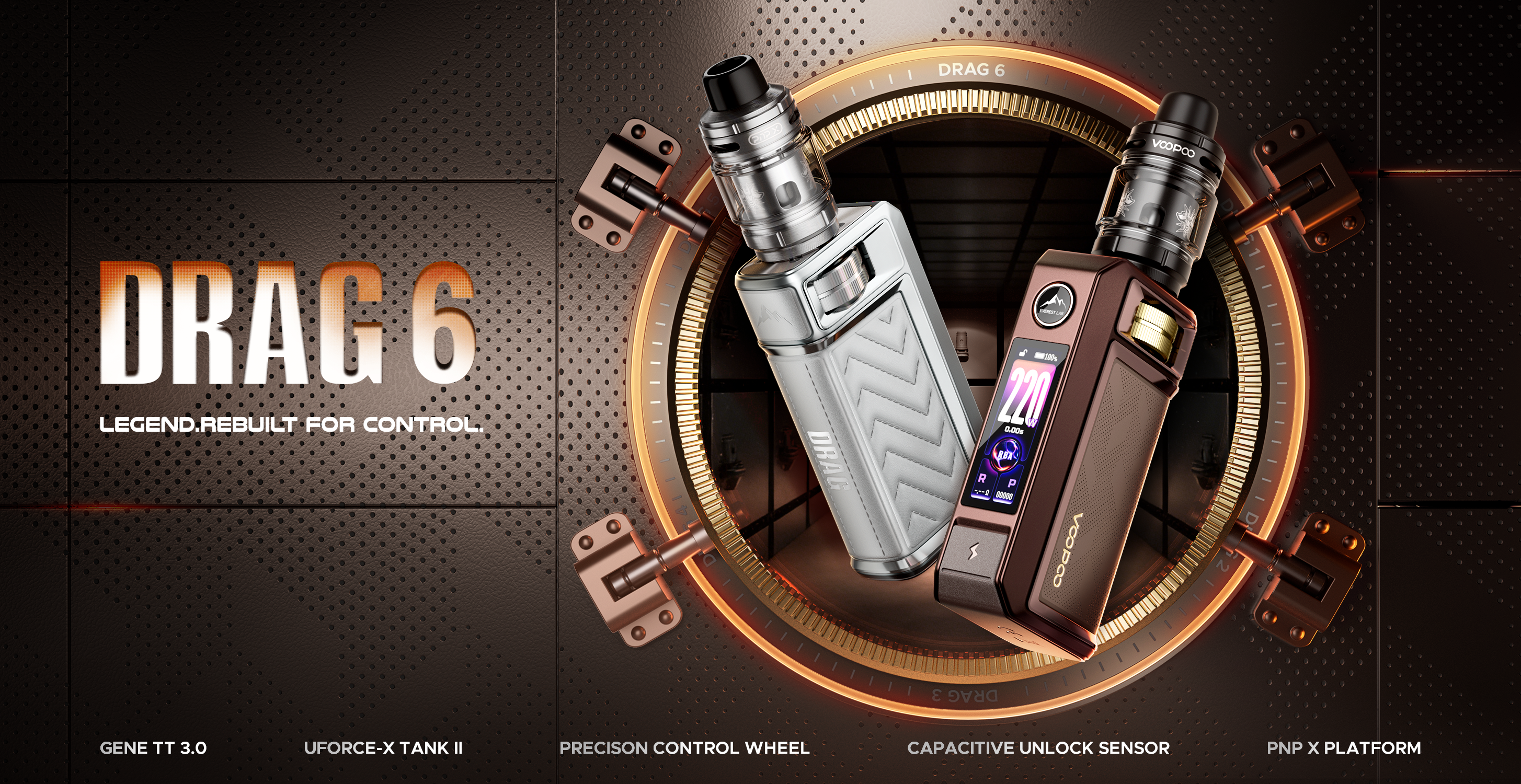
| A · Low-strength Sub-ohm | 3 mg/mL | Freebase | DTL | 40 W | 4 s | 0.010 mL | 0.03 mg | ≈33 puffs | DRAG 6 + PnP X 0.3Ω |
| B · Medium-strength Sub-ohm | 6 mg/mL | Freebase | RDL/DTL | 30 W | 4 s | 0.010 mL | 0.06 mg | ≈17 puffs | DRAG 6 + PnP X 0.45Ω |
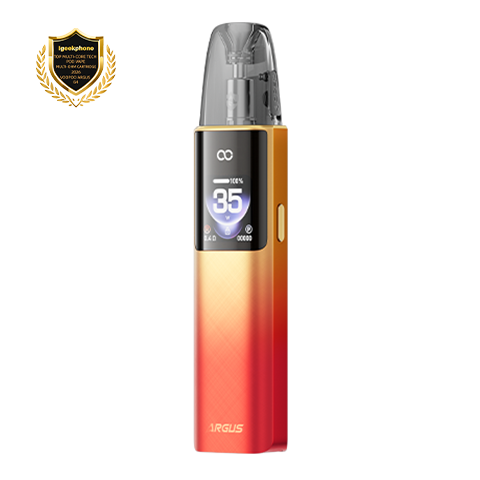
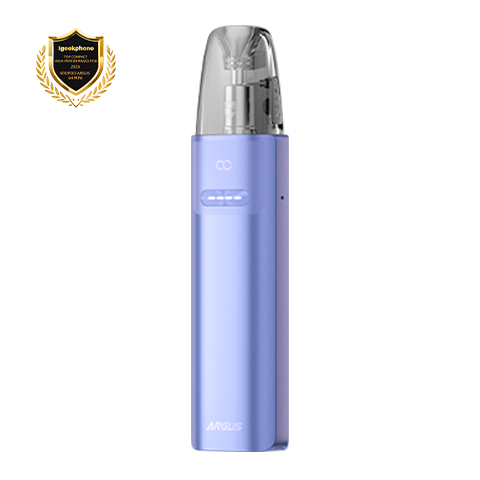
| C · Medium-strength Pod | 3% (30 mg/mL) | Salt | MTL/RDL | 18 W | 3 s | 0.004 mL | 0.12 mg | ≈8 puffs | ARGUS G4 + 0.7Ω |
| D · High-strength Pod | 5% (50 mg/mL) | Salt | MTL | 12 W | 3 s | 0.003 mL | 0.15 mg | ≈7 puffs | ARGUS G4 + 1.0Ω |
Key takeaway from the table: A low-strength DTL user may need 30+ puffs to reach the nicotine equivalent of one cigarette, while a high-strength pod user may reach it in under 10 puffs. This 4-5x range highlights why "one size fits all" conversion numbers are meaningless.
↑ Back to TopResearch Notes & Limitations
The estimates above are based on theoretical calculations. Actual nicotine delivery varies significantly due to several factors:
- Absorption efficiency varies by nicotine type. Christen et al. (2024) found that 20 mg/mL freebase produced a peak blood nicotine concentration (Cmax) of 3.0 ng/mL, while 20 mg/mL nicotine salt produced 5.4 ng/mL—nearly double—and 40 mg/mL nicotine salt (12.0 ng/mL) approached that of combustible cigarettes. This means even at the same labeled concentration, nicotine salt delivers more nicotine to the bloodstream than freebase.
- Nicotine yield per puff varies widely across devices. A 2021 study by Goniewicz et al. found that nicotine yield per puff ranged from 1.2 µg to 15.4 µg across 10 different pod devices—a 12-fold variation.
- Puff order matters. Research on pod systems shows that the first 1-2 puffs deliver significantly more nicotine than subsequent puffs, with levels declining gradually and stabilizing around puff 5. If you only take 2-3 puffs per session, your per-puff nicotine intake will be higher than the average estimates above.
- Device power, coil design, airflow, and individual puffing behavior all affect how much liquid is consumed per puff and how efficiently nicotine is delivered.
- Nicotine in the liquid ≠ nicotine absorbed by the body. The table shows nicotine contained in the consumed e-liquid. Actual absorption is lower and varies by individual physiology.
Does 5% Vape Equal One Cigarette?
Not automatically.
A 5% vape contains 50 mg/mL nicotine—a high-strength e-liquid. Some pod systems can deliver nicotine exposure approaching that of cigarettes under controlled conditions, but actual amounts vary by product and user.
The accurate statement is:
A 5% vape can provide substantial nicotine delivery, but the number of puffs needed to match a cigarette depends on the device, nicotine formulation, and puffing behavior.
The CDC has warned that high-nicotine e-cigarettes, particularly those using nicotine salts, are associated with increased nicotine dependence among youth and young adults.
↑ Back to TopWhat About 3% Nicotine and Lower Strengths?
A 3% e-liquid contains 30 mg/mL. Compared with 5% (50 mg/mL), the 5% liquid contains about 67% more nicotine per milliliter.
But that doesn't mean it delivers 67% more per puff—because e-liquid consumption per puff varies. A low-output pod consumes very little liquid per puff; a high-output device consumes much more.
Lower-strength freebase liquids (e.g., 3 mg/mL) are often used in high-output devices that vaporize more liquid per puff. A 3 mg/mL liquid contains far less nicotine per milliliter than a 50 mg/mL nicotine salt, but the device may consume considerably more liquid with each puff.
Nicotine concentration tells you how much nicotine is in the liquid. Device output influences how much liquid becomes aerosol.
You cannot determine nicotine exposure from the percentage alone.
↑ Back to TopKey Factors That Determine Nicotine Per Puff
- Nicotine concentration — higher concentration = more nicotine per mL.
- Nicotine form — salt vs. freebase affects delivery even at the same concentration.
- Device power — higher power can vaporize more liquid per puff.
- Coil — resistance and design affect aerosol production.
- Puff duration — longer puffs generally produce more aerosol.
- Airflow — tighter draw (MTL) vs. open draw (DTL) changes consumption.
- Inhalation style — MTL, RDL, and DTL consume different amounts of e-liquid per puff, so the same nicotine concentration does not produce the same exposure across styles.
Common Misconceptions
- "5% means 5 mg of nicotine." No. 5% is approximately 50 mg/mL.
- "One vape puff equals one cigarette puff." No. Puff volume and duration vary considerably.
- "A 5% vape equals one cigarette after 10 puffs." No fixed rule exists.
- "Nicotine salts are always stronger." Not necessarily—they can be the same concentration but deliver differently.
- "Higher wattage always means more nicotine." Not necessarily—nicotine strength, puff duration, and other factors also matter.
FAQ: Vape Puffs vs. Cigarettes
Final Takeaway
The question "How many vape puffs equal one cigarette?" has no single answer.
A 5% nicotine salt pod, a 3% pod, a 20 mg/mL nicotine salt liquid, and a 3 mg/mL freebase liquid all produce different nicotine exposure. Based on the estimates above, the range can be anywhere from 7 to 33 puffs depending on your setup.
The useful framework is:
- Nicotine concentration + nicotine formulation + device + e-liquid consumption + puffing behavior
Remember: nicotine in the liquid ≠ nicotine absorbed by the body.
A 5% label tells you the liquid contains 50 mg/mL nicotine—not how much you absorb from one puff.
To understand your own vaping pattern, focus on the variables that actually determine nicotine delivery: nicotine strength, freebase vs. salt, device output, coil, airflow, puff duration, and liquid consumption.
Understanding these factors gives you a much more useful picture than simply counting puffs.
Warning: This product may be used with e-liquid products containing nicotine, which is a highly addictive substance.