Pod Leakage Troubleshooting: 7 Causes & Fixes for Vape Pod Leaking (2026)
 2026-05-22
 GUIDES
Quick Answer: Vape pod leaking is usually caused by one of seven factors: incorrect filling, wrong wattage, worn coils, unsuitable e-liquid ratio, prolonged idleness, degraded O-rings, or temperature changes. Most leaks can be fixed by adjusting your habits, but if you're tired of dealing with it, leak-proof technologies like VOOPOO's PnP X and iCOSM CODE 2.0 can stop the problem at its source.
TL;DR — Key Takeaways
- Most pod leakage is user-related, not defective hardware. Seven common causes — from filling technique to wattage settings — account for the majority of leaks, and all are fixable.
- The #1 cause: incorrect filling. Failing to fully close the rubber stopper or filling with airflow open allows e-liquid to seep out. Always close airflow, fill to about two-thirds, and wipe the pod bottom.
- Coil condition matters. Worn or burnt coils lose their sealing ability. Replace coils every 5–6 refills and always prime new coils for 5+ minutes.
- E-liquid ratio affects leaking. High-PG liquids are thinner and more prone to seepage. For most refillable pod systems, a balanced 50 VG / 50 PG or 60 VG / 40 PG e-liquid ratio is a good starting point. However, the ideal ratio depends on your device's coil resistance, wattage range, and airflow design. Always check your device specifications for the recommended e-liquid compatibility.
- Leak-proof technology works. VOOPOO's PnP X platform supports 100 mL of e-liquid without leaking, and iCOSM CODE 2.0 reduces leakage by 83% with a 30-day clean guarantee.
Vape pod leaking — almost every vaper has experienced it.
Waking up to find a puddle of e-liquid next to your device, or suddenly tasting liquid in your mouth while vaping — it's frustrating. Whether you call it vape leakage, pod leakage, or vape pod leaking, the problem is the same.
Some users switch between multiple brands only to find that every pod leaks at some point. Others assume they received a defective product, when the issue might actually be their usage habits.
The good news: Most vape leakage issues can be avoided with proper usage habits. And for persistent pod leakage, choosing pods equipped with professional leak-proof technology can solve the problem entirely.
In this article, we've compiled 7 common causes of vape pod leaking and their corresponding solutions. Finally, we'll introduce pod technologies that are truly proven to prevent leaks.
Table of Contents
- Cause 1: Incorrect Filling Method
- Cause 2: Improper Wattage Settings
- Cause 3: Worn or Burnt Coil
- Cause 4: Incorrect E-Liquid VG/PG Ratio
- Cause 5: Pod Sitting Unused for Extended Periods
- Cause 6: Worn or Damaged Seals (O-Rings)
- Cause 7: Large Temperature Fluctuations & Air Pressure Changes (e.g., Air Travel)
- Solving Leaks at the Source
Cause 1: Incorrect Filling Method
This is the most common cause of pod leakage — and the easiest to fix.
Many users fail to fully reseat the rubber stopper after filling, or leave the airflow open during filling, causing e-liquid to seep out from the bottom due to gravity and air pressure.
Solutions:
- Remove the pod from the device before filling
- Close the bottom airflow (if equipped with an adjustable airflow ring) to prevent vape leakage from airflow ports
- After filling, ensure the rubber stopper is fully pressed down with no gaps or raised edges
- Wipe the bottom of the pod with a tissue before reattaching it to the device
- When filling, fill to about two-thirds capacity, leaving a small air pocket at the top — this creates a vacuum effect that helps prevent pod leakage
If you're consistently experiencing leaking with your pod system, start by checking your filling routine — it's the most common culprit.
Cause 2: Improper Wattage Settings
Both too low and too high wattage can cause vape pod leaking.
- Wattage too low: E-liquid isn't fully vaporized, causing residual liquid to accumulate in the airway and eventually drip out, leading to vape leakage
- Wattage too high: The coil overheats, causing e-liquid to splatter while accelerating seal ring degradation
Solutions:
- Always use the coil within its recommended wattage range
- Start at the lowest recommended wattage for new coils, then gradually increase
- Use your device's smart power matching feature (if available) — for example, VOOPOO's Smart Mode automatically adjusts wattage to match the coil
- If you experience pod leakage after changing settings, revert to manufacturer-recommended levels
Cause 3: Worn or Burnt Coil
As coils age, the cotton loses elasticity and sealing performance degrades, allowing e-liquid to seep out from the bottom of the coil. This is a leading cause of vape pod leaking.
How to identify:
- Burnt taste
- Noticeably weaker flavor
- Reduced vapor production
- Persistent e-liquid residue on pod bottom
Solutions:
- Replace the coil promptly (general recommendation: replace every 5–6 refills)
- Before using a new coil, ensure it's fully saturated with e-liquid (let it sit for 5+ minutes)
- Old or burnt coils cannot properly absorb e-liquid, leading to vape leakage — regular replacement is essential
For more guidance on choosing the right coils and maintaining your device, check out our vape maintenance guide.
Cause 4: Incorrect E-Liquid VG/PG Ratio
The ratio of VG (Vegetable Glycerin) to PG (Propylene Glycol) directly affects e-liquid fluidity and can be a major factor in pod leakage.
- High-VG e-liquids (70%+ VG): Thicker, less fluid — may cause wicking issues and dry burns
- High-PG e-liquids (50%+ PG): Thinner, more fluid — more likely to seep through small gaps, causing vape pod leaking
Solutions:
- For most pod systems, a balanced 50 VG / 50 PG or 60 VG / 40 PG ratio is recommended, but always check your device's specific guidelines as different coils and pod designs may have varying optimal ratios
- Check the pod/coil for recommended e-liquid type (nicotine salts typically pair with higher PG; freebase nicotine can work with higher VG)
- Using the wrong e-liquid for your coil is a common reason for vape leakage — always match your juice to your device
Need help understanding which e-liquid works best for your device? Read our complete guide to choosing the right e-liquid.
Cause 5: Pod Sitting Unused for Extended Periods
After filling, if a pod sits unused for a long time, the cotton continues absorbing e-liquid until it becomes oversaturated. The excess liquid has nowhere to go but out the bottom, causing pod leakage.
Solutions:
- Use the pod soon after filling to avoid prolonged cotton saturation
- For long-term storage, pour out any remaining e-liquid (if the pod design permits) or remove the pod from the device and store it separately
Regarding "upside down storage": Some suggest storing pods with the mouthpiece facing down, using gravity to keep excess liquid at the drip tip rather than the bottom. Important: This is based on user experience, not an official recommendation. It may only work under specific conditions (e.g., top-airflow pods or as a short-term method to drain excess liquid). For most standard bottom-airflow pods, upside-down storage may actually worsen vape pod leaking.
A more reliable long-term storage method: Remove the pod from the device, store it upright (mouthpiece up), in a cool, dark place. This aligns with the design logic of most pods and avoids vape leakage risks associated with inverted positioning or high temperatures.
Cause 6: Worn or Damaged Seals (O-Rings)
The silicone seals (O-rings) inside pods naturally degrade, harden, or crack over time and with temperature exposure. This is normal for any consumable product and a frequent source of pod leakage.
Solutions:
- O-rings are consumable components — they need periodic replacement
- Avoid leaving devices in high-temperature environments (e.g., inside a car), as heat accelerates seal degradation
- Check your O-rings regularly — if they look cracked or worn, replace them immediately to prevent vape leakage
Cause 7: Large Temperature Fluctuations & Air Pressure Changes (e.g., Air Travel)
Moving from cold outdoor temperatures to a warm indoor environment causes condensation inside the pod. This condensation mixes with trace e-liquid and may seep from the bottom. Temperature and pressure changes are common triggers for vape pod leaking.
This is not always true leakage but rather a mixture of condensation and minimal e-liquid. However, in some cases, pressure changes can force actual e-liquid out.
Solutions:
- After coming indoors, wait 10–15 minutes for the pod to reach room temperature before use
- Regularly clean the pod bottom and device contacts
- Avoid leaving your device in hot cars or direct sunlight — heat thins e-liquid and increases vape leakage risk
- Store your device upright at room temperature whenever possible
- When traveling by air, be aware that high pressure changes may cause e-liquid leakage. Keep your cartridge/tank away from other important objects
Solving Leaks at the Source: Which Technologies Truly Prevent Vape Leakage?
The 7 solutions above can significantly reduce pod leakage. But if you want to solve the problem at its source, consider pods or tanks equipped with professional leak-proof technology.
PnP X Platform
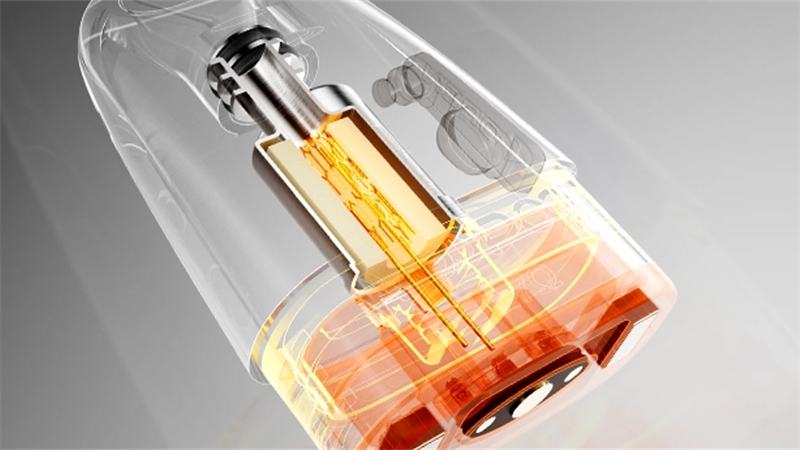
The PnP X platform features a 4-Layer Super Leakage-Proof design, including ① Airflow Isolation ② Heating Core Isolation ③ Air Chamber Sealing ④ Dual L-Shaped Condensation Return Channel, effectively preventing condensation leakage and vape pod leaking. The platform also uses a top airflow design to further control condensation and reduce leaks.
VOOPOO's internal testing shows that PnP X coils can support up to 100 mL of e-liquid vaping without leaking. Compared to the original PnP coils, PnP X offers significant upgrades in coil lifespan, leak resistance, cotton type, and structural design, dramatically reducing vape leakage.
iCOSM CODE 2.0
The leak-proof core of iCOSM CODE 2.0 is the Liquid-Seal Shield — a fully wrapped copper sealing structure that achieves 99% internal surface coverage, firmly locking e-liquid inside the pod and preventing pod leakage.
VOOPOO's internal testing shows this technology reduces leakage by 83% and maintains a 30-day clean usage experience, making vape pod leaking a thing of the past.
iCOSM CODE 2.0 also features Golden Cotton — an aerospace-grade material that can withstand temperatures up to 260°C (standard cotton begins decomposing at 150°C). Combined with the Mega-Core design, a single pod can vaporize 100 mL of e-liquid without flavor degradation.
| Technology Platform | Core Leak-Proof Components | Leak-Proof Principle | Official Leak-Proof Data | Representative Products |
|---|---|---|---|---|
| PnP X | Airflow Isolator + Heating Core Isolator + Air Chamber Seal + L-Shaped Return Channel | 4-Layer Super Leakage-Proof + Top Airflow + Dual L-Shaped Structure | 100 mL e-liquid no leakage | DRAG S3/X3, DRAG 6 |
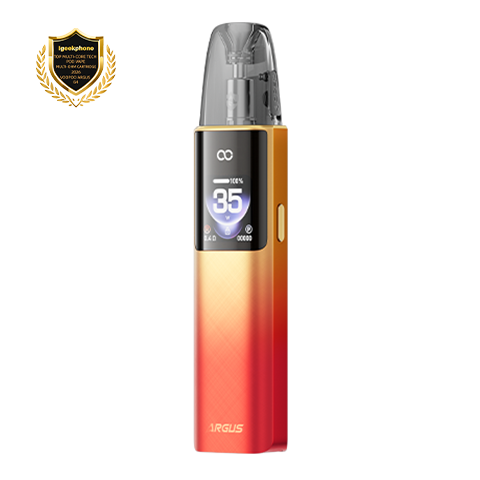
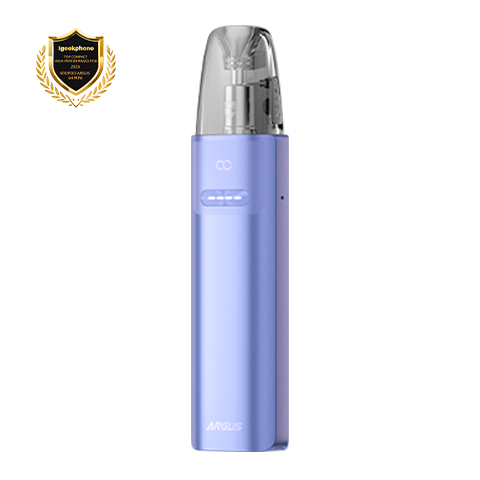
| iCOSM CODE 2.0 | Liquid-Seal Shield (Copper) + Golden Cotton (Aerospace-grade) | Liquid-Seal Shield (99% coverage) + Golden Cotton | 83% leakage reduction, 30-day clean | ARGUS G4/G4 mini, ARGUS G3/G3 mini |
| Traditional Cotton Seal | Basic silicone seals + cotton wick | Relies on physical cotton blockage + basic silicone seals | Manufacturers typically do not provide quantified leak-proof data | Most entry-level products |
Final Thoughts
Leaking — in any form — is the most common frustration in vaping, but most issues can be avoided with proper usage habits. If you've tried the 7 solutions above and still experience frequent leaks, it may be time to upgrade to a device with professional leak-proof technology.
VOOPOO's PnP X platform and iCOSM CODE 2.0 technology are leak-proof solutions that have been validated through official testing. If you're looking for a truly "worry-free" device that eliminates vape pod leaking, explore VOOPOO's leak-proof collection today.
.jpg)