VOOPOO Pod Vape vs Box Mod: Understanding the Different Vaping Styles
 2026-03-28
 GUIDES
Vapor that feels inconsistent, devices that either overcomplicate or underdeliver, and setups that no longer match how you actually vape day to day—these are usually not random issues. They come down to choosing the wrong device category. When comparing a VOOPOO pod vape and a VOOPOO box mod vape, the difference is not just size or power. It is how each system is engineered to deliver flavor, airflow, and control over time.
Understanding this distinction is what separates a device that works occasionally from one that fits seamlessly into daily use.
What Defines a VOOPOO Pod Vape Device
A VOOPOO pod device is built around integration. Battery, chipset, and cartridge are designed to function as a single system rather than separate components.
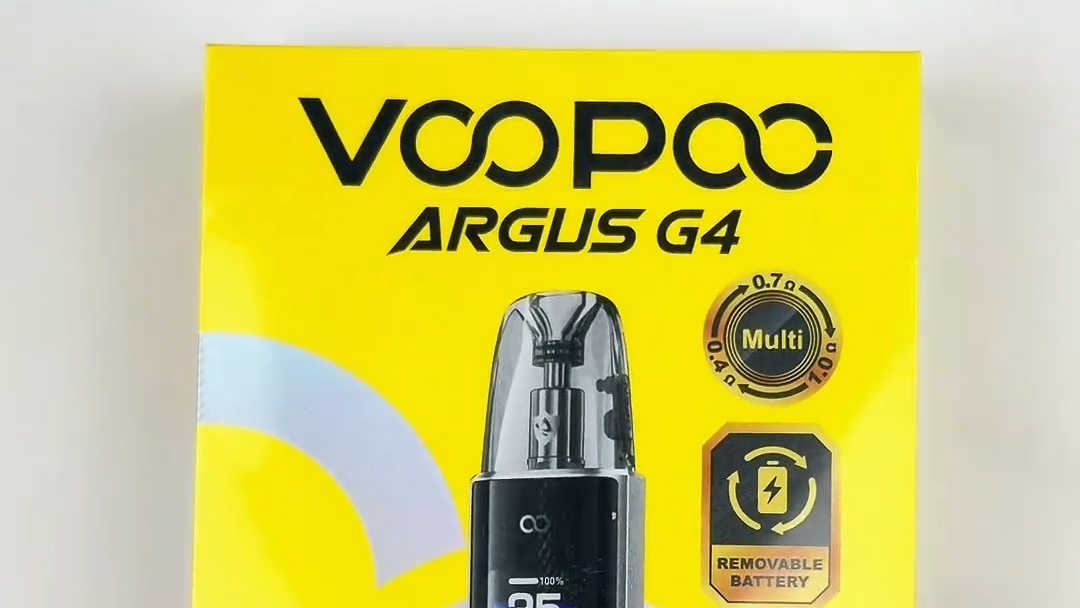
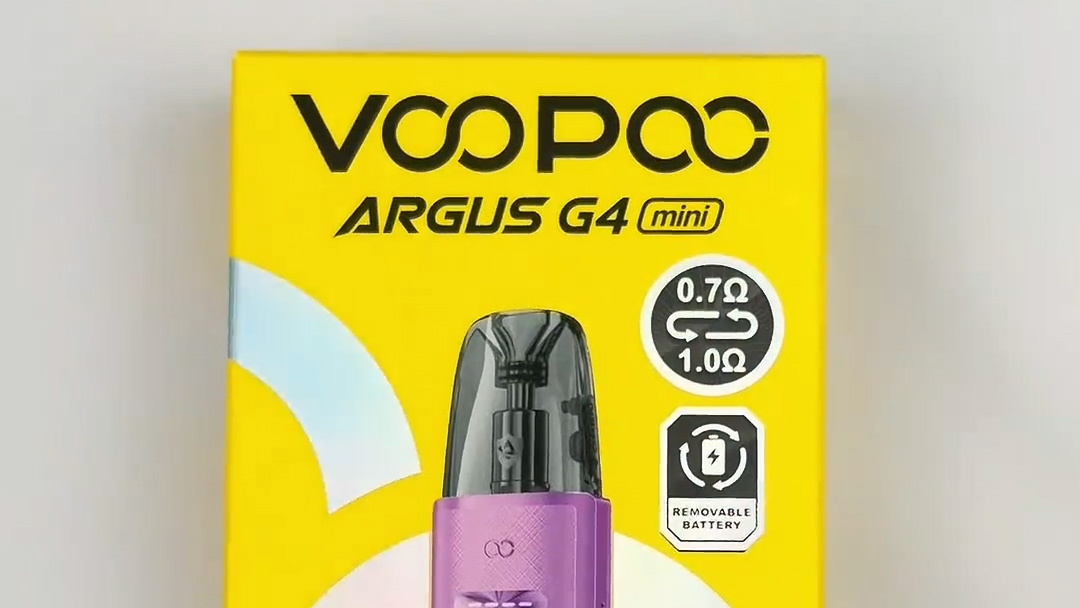
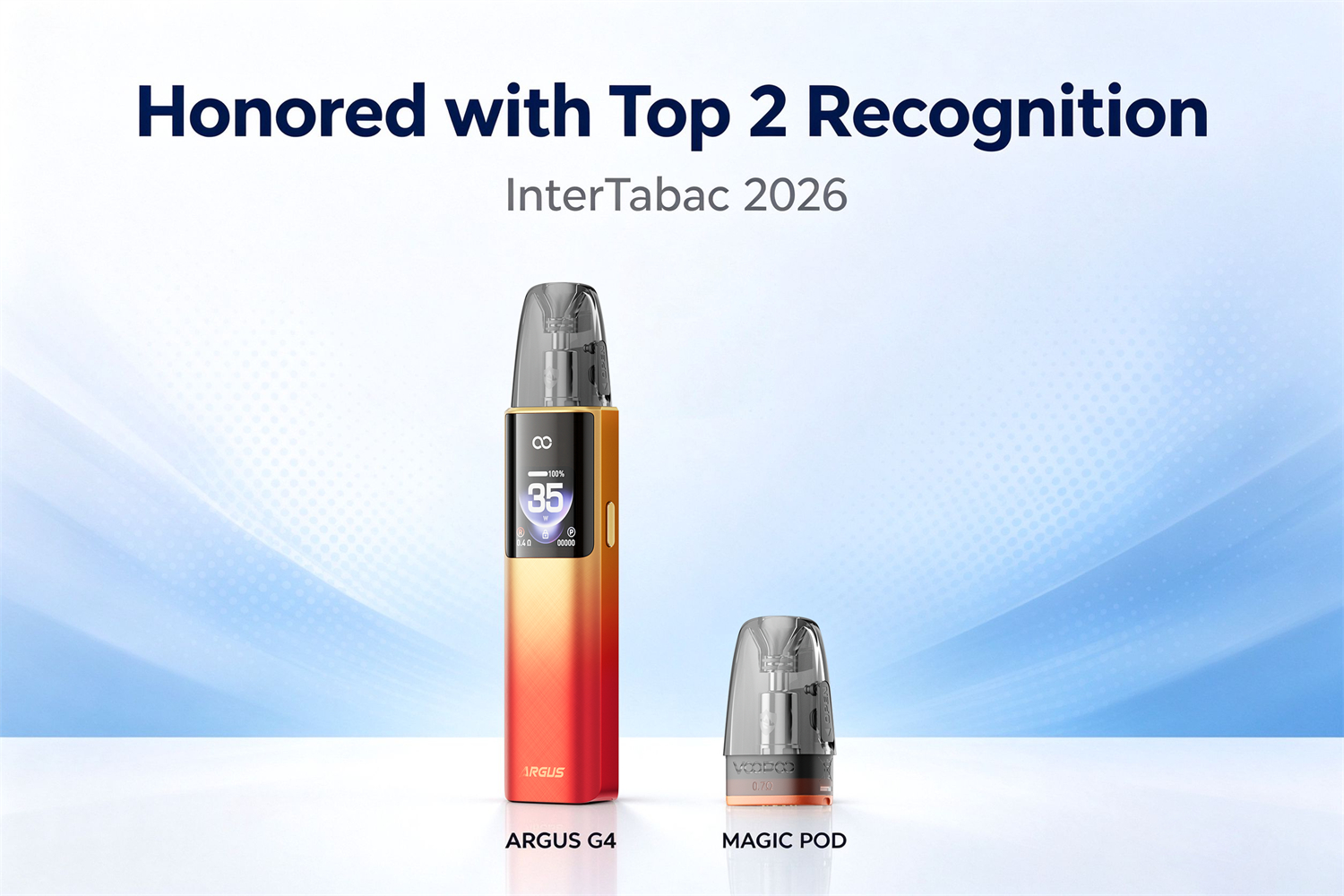
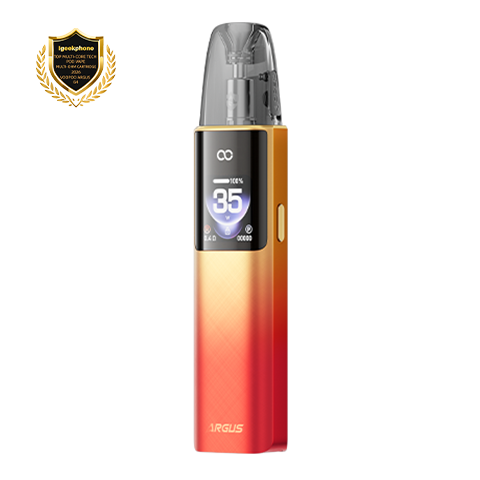
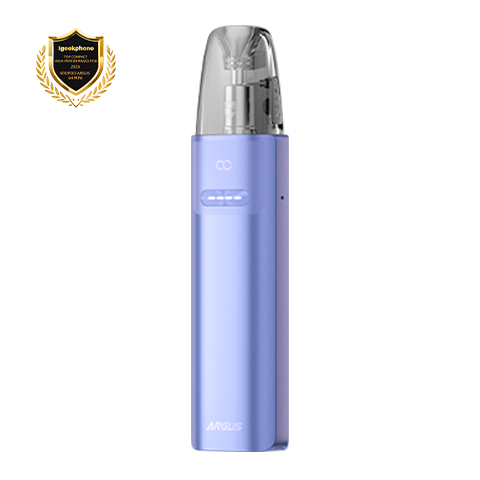
Devices like ARGUS G3 mini or VOOPOO VINCI S show how this approach prioritizes stability and ease of use. Instead of manually adjusting wattage for every coil, the system often auto-recognizes resistance and applies optimal power. This reduces user error and keeps output consistent even as battery levels drop.
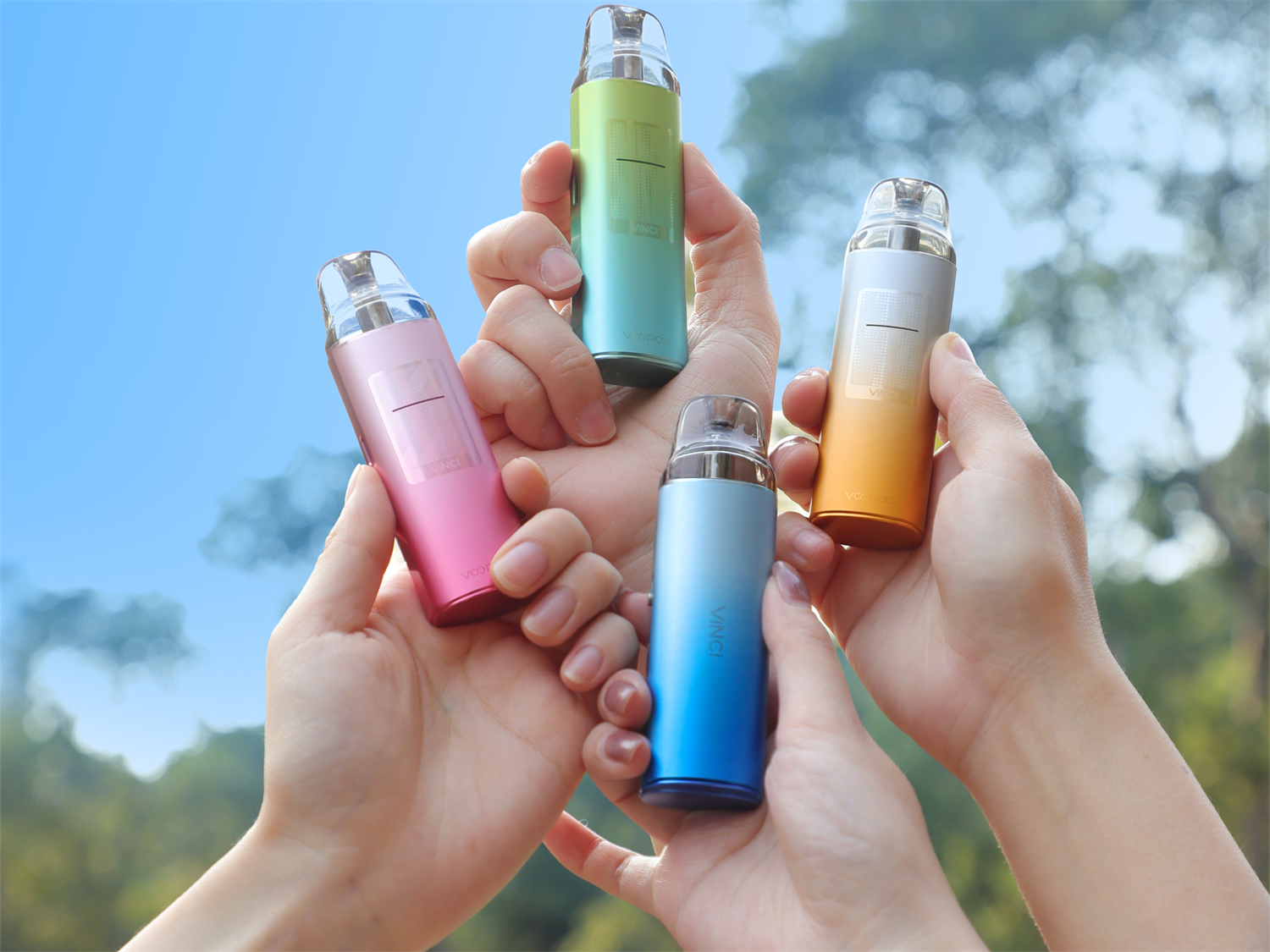
The evolution of pod systems is closely tied to atomization platforms. With structures like iCOSM CODE 2.0, the focus shifts toward internal balance—liquid delivery, airflow pressure, and heat distribution working together. This is why newer pod devices maintain clean flavor across extended use, with some cartridges sustaining up to 100 mL of e-liquid before noticeable degradation.
Pod systems are typically optimized for:
- MTL and RDL styles
- Lower to mid wattage output (5 W to 30 W range)
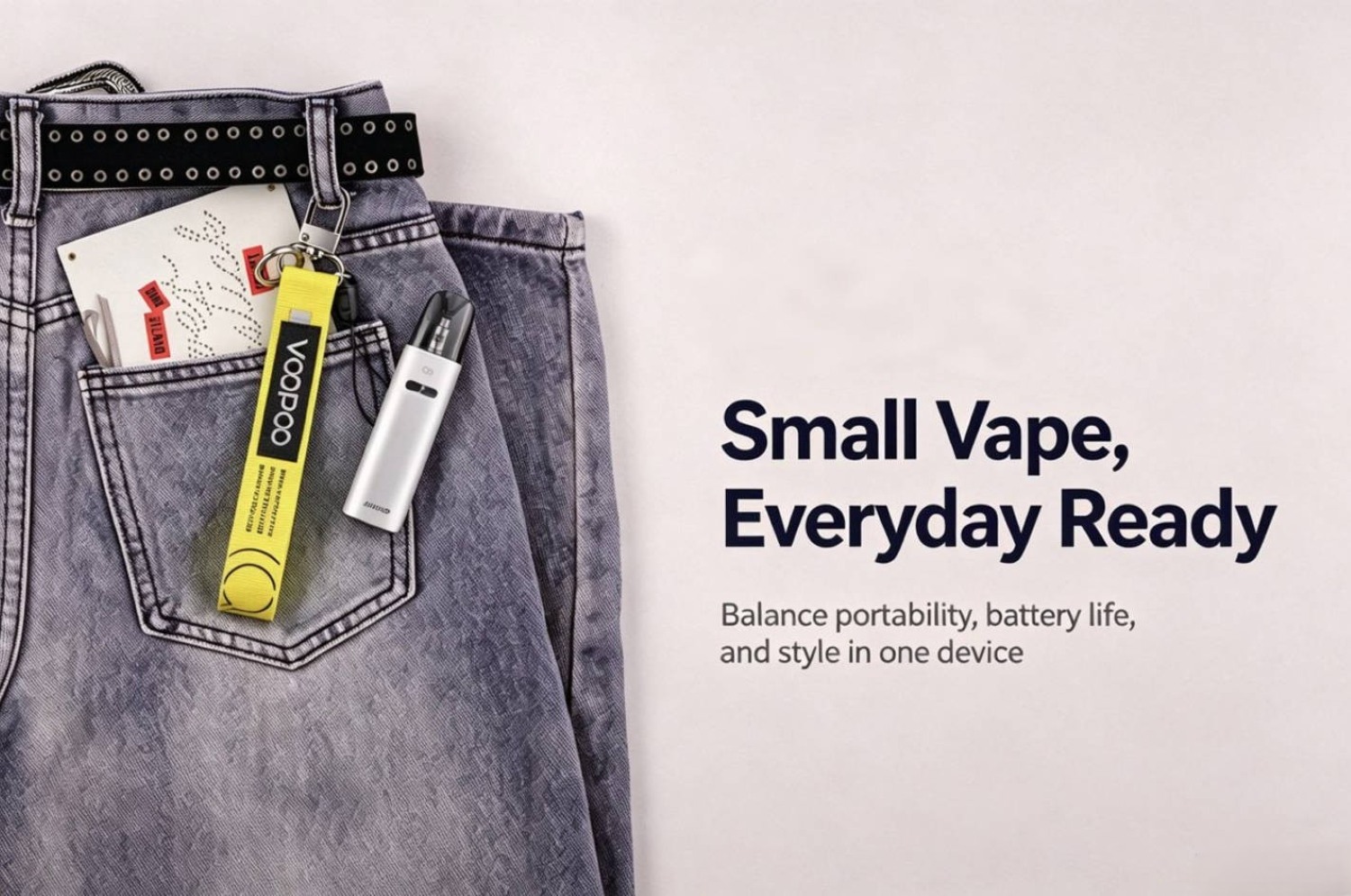
- Compact, lightweight daily carry
- Minimal setup and maintenance
For many users, the appeal is not simplicity alone, but predictability.
What Defines a VOOPOO Box Mod Vape Device
A VOOPOO box mod device operates on a different philosophy. Instead of integration, it emphasizes control and scalability.
Devices such as DRAG 6 are built with high power ranges, larger batteries, and advanced chipsets like GENE TT 3.0. These systems allow users to fine-tune wattage, temperature, and airflow to match specific coils and vaping styles.
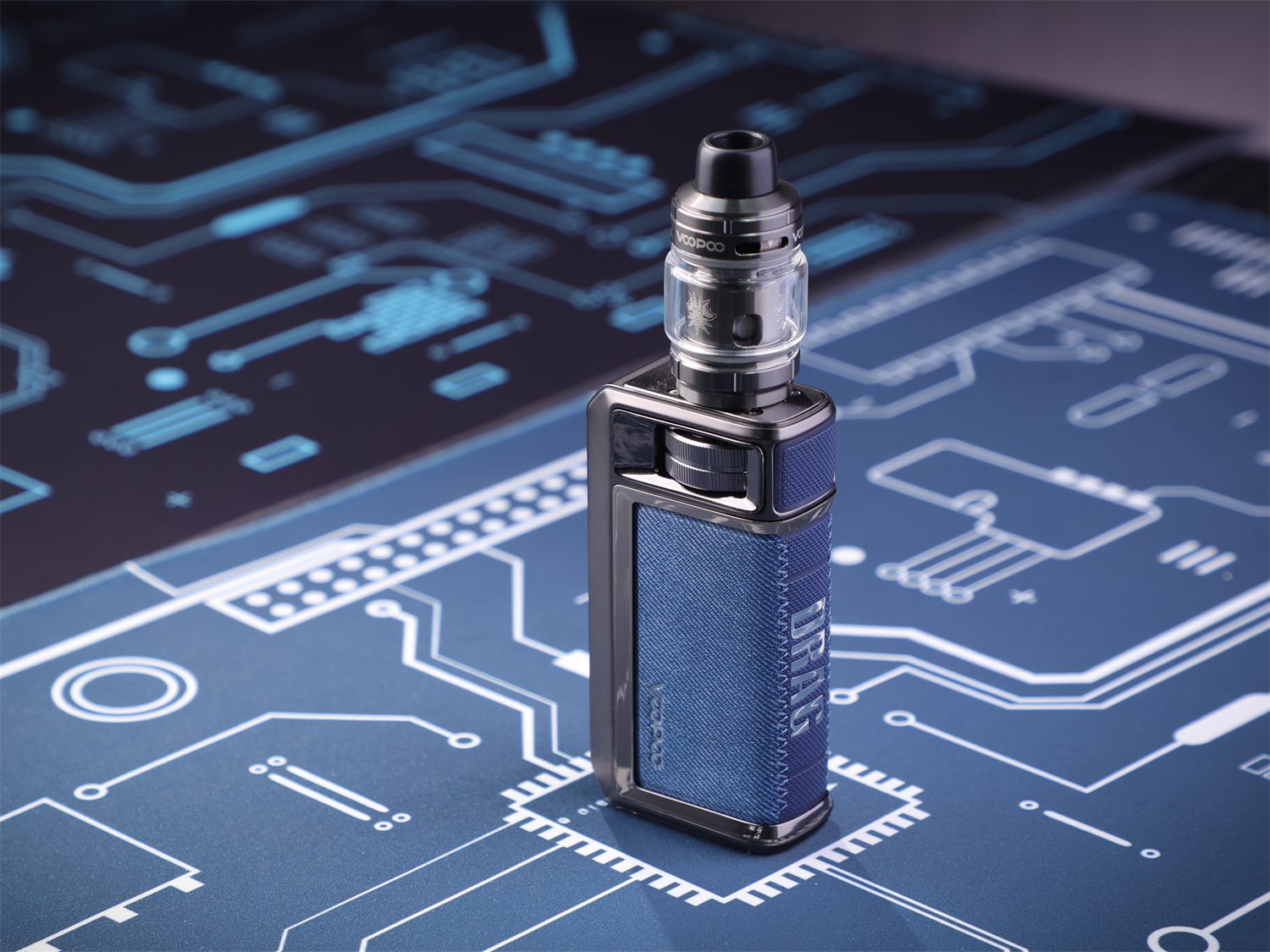
The hardware structure reflects this flexibility. External or built-in batteries, larger tanks like UFORCE-X TANK Ⅱ, and wide coil compatibility create a setup that can handle DTL vaping at higher wattages without sacrificing stability.
Box mods are typically optimized for:
- RDL to DTL performance
- Wide power range (up to 220 W in some devices)
- Adjustable airflow and output precision
- Replaceable batteries or high-capacity and compact built-in batteries
Rather than simplifying decisions, box mods give users full authority over how vapor is produced.
Pod Vape vs Box Mod: Structural and Performance Differences
When looking at pod vape vs box mod from a technical perspective, the differences become clearer in three areas: power delivery, airflow architecture, and system interaction.
Pod systems use closed or semi-closed cartridges. Airflow is more restricted and controlled, which enhances flavor concentration and reduces vapor temperature. Because the system is tightly integrated, variables like coil saturation and airflow pressure are stabilized internally.
Box mods use open tank systems with larger airflow channels. This allows more air intake, producing larger vapor clouds and cooler draws at higher wattages. However, it also introduces more variables, requiring user adjustment to maintain balance.
Another key difference is energy management. Pod devices like ARGUS G3 or ARGUS G3 mini rely on efficient battery output to sustain moderate power over longer periods. In contrast, box mods like DRAG 6 are designed to deliver bursts of high power, supported by larger built-in batteries or replaceable batteries.
| Feature | VOOPOO Pod Vape | VOOPOO Box Mod Vape |
|---|---|---|
| Power Range | 5 W – 30 W (typical) | Up to 220 W |
| Airflow Style | Restricted, MTL / RDL focused (select models adjustable) | Open, RDL / DTL focused |
| Form Factor | Compact, integrated cartridge | Larger, tank + mod system |
| Customization | Auto-adjust, minimal tuning | Full wattage, airflow & temp control |
| Battery | Built-in, optimized for endurance | High-capacity built-in or replaceable |
User Experience: Daily Use vs Custom Control
The VOOPOO pod vs mod decision often comes down to how much involvement the user wants.
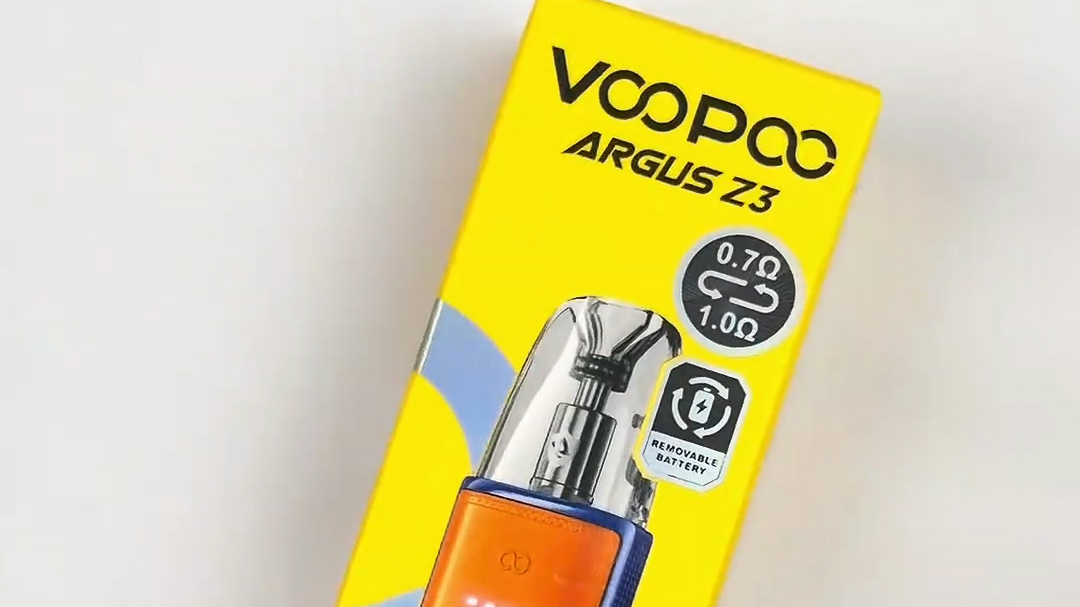
Pod devices are designed for continuity. You refill, insert, and vape. Features like auto draw, smart wattage detection, and top-fill cartridges reduce friction in daily use. Devices such as VOOPOO VINCI S or ARGUS series models are built to stay consistent without frequent adjustments.
Box mods are designed for interaction. Adjusting wattage curves, airflow, and coil types becomes part of the experience. The presence of touchscreens, control wheels, and multiple modes reflects this hands-on approach.
Neither is inherently better. They serve different expectations.
How VOOPOO Platforms Bridge Both Categories
One reason the VOOPOO mod vape device comparison feels less fragmented today is the shared platform design across product lines.
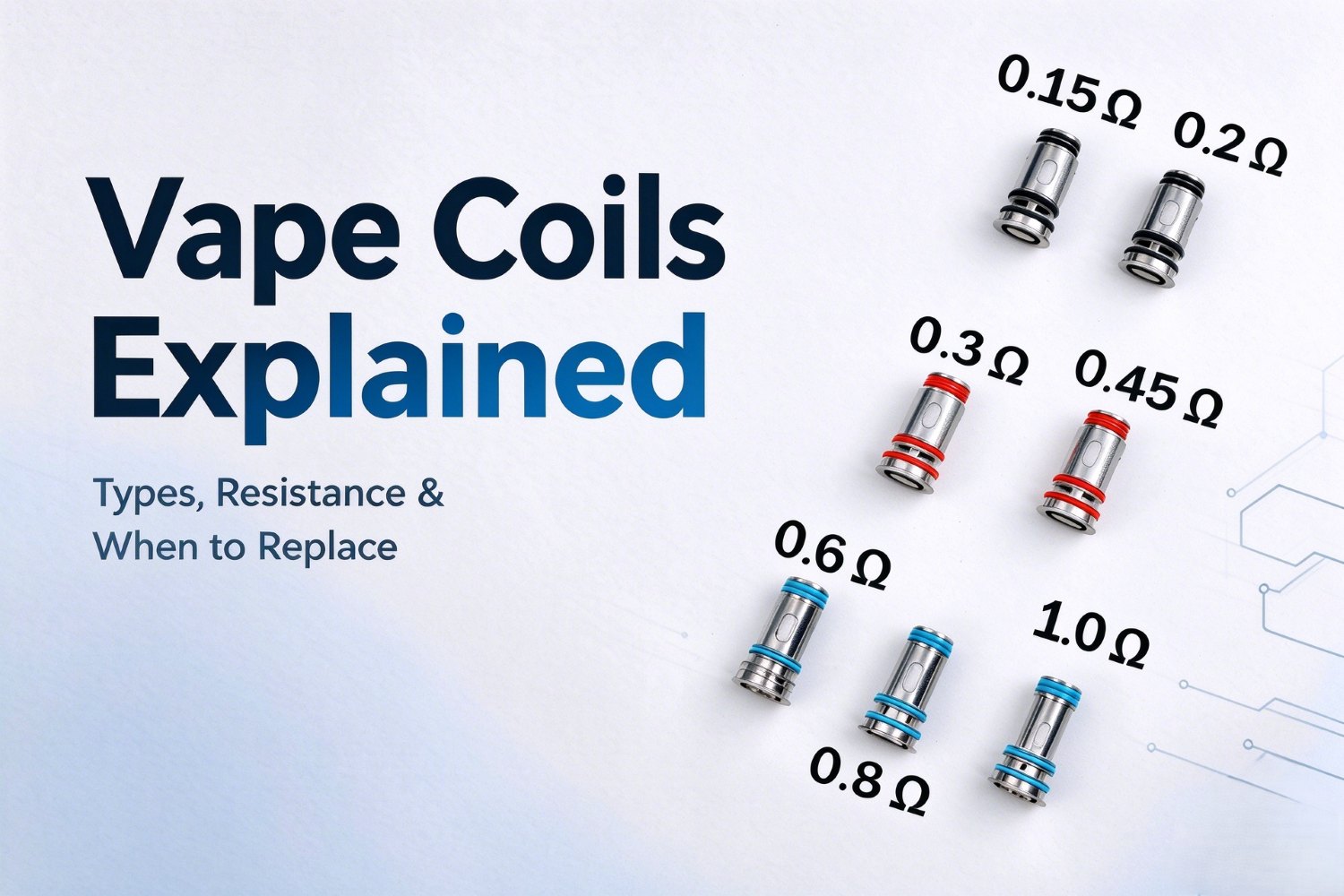
The PnP X platform is a clear example. It supports a wide range of coils across both pod mods and box mods, allowing users to transition between devices without relearning the system.
Similarly, atomization technologies like iCOSM CODE 2.0 appear in pod-focused devices while maintaining performance standards that were previously associated with larger systems.
This cross-compatibility reduces the gap between categories and creates a more unified vaping ecosystem.
Choosing the Right Device Based on Vaping Style
Selecting between a pod and a box mod is less about specifications and more about usage patterns.
If your priority is portability, stable flavor, and minimal adjustment, a VOOPOO pod vape fits naturally into daily routines. Devices remain lightweight, responsive, and consistent across refills.
If your focus is output power, airflow customization, and the ability to fine-tune every aspect of vapor production, a VOOPOO box mod vape provides the necessary flexibility.
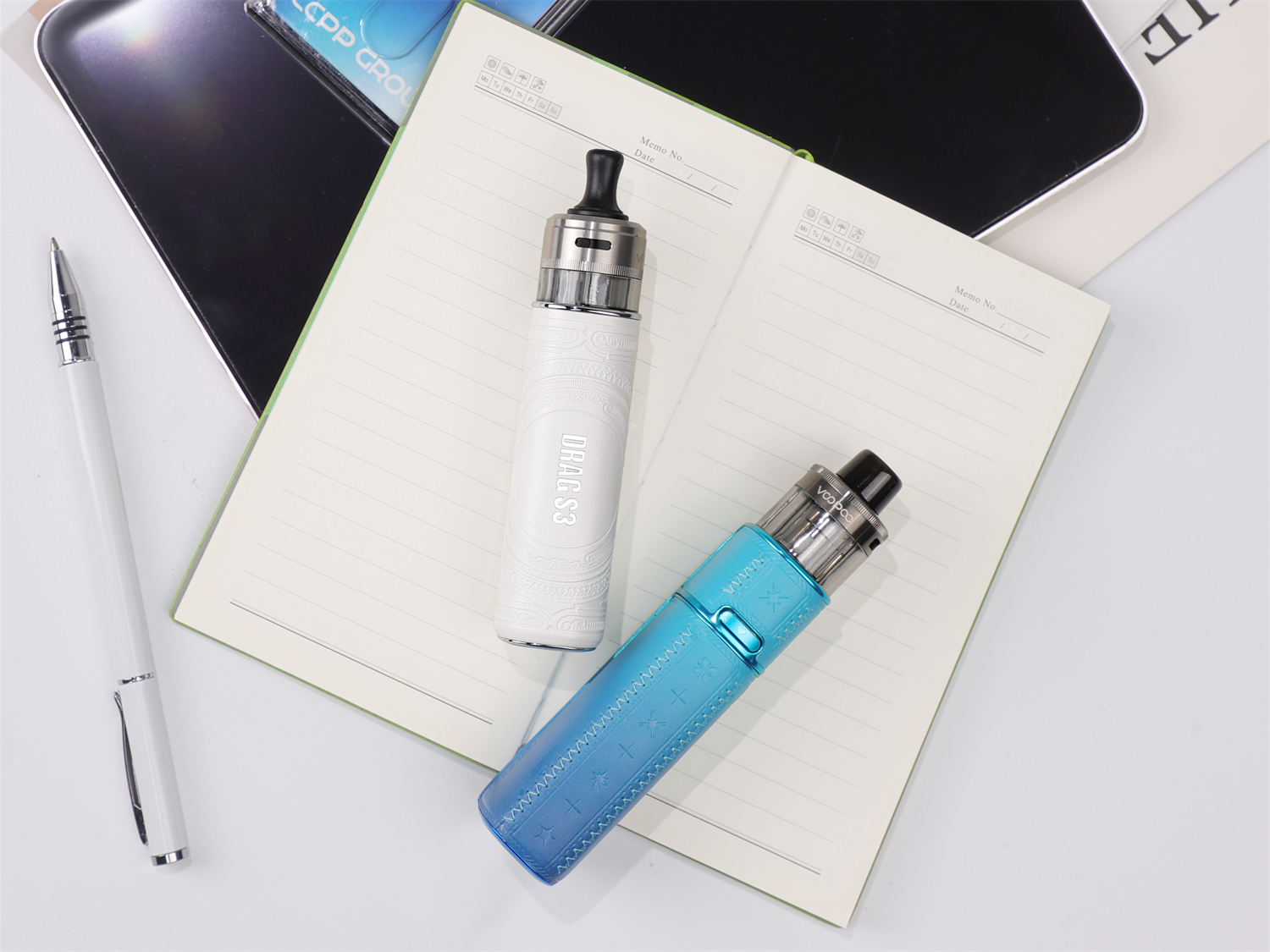
For users who shift between styles, hybrid pod mod devices like DRAG X3 or DRAG S3 offer a middle ground, combining portability with adjustable power and broader coil support.
Why Device Architecture Matters More Than Ever
As vaping technology evolves, the distinction between devices is no longer just form factor. It is about how the internal system manages airflow, heat, and liquid over time.
In pod systems, advancements in cartridge engineering now determine longevity and flavor consistency. In box mods, chipset precision and power delivery define performance under higher loads.
Understanding these underlying systems is what makes a VOOPOO vape guide useful. It moves the decision beyond surface-level features into how the device will perform after weeks of real use.
Conclusion
The difference between a pod device and a box mod lies in their power output: pods typically operate at 5–30 W, designed for mouth-to-lung or restricted direct-to-lung vaping, while box mods can reach up to 220 W, catering to direct-lung cloud chasers.
Pod systems focus on consistency, portability, and ease of use. Box mods prioritize control, power, and customization. With shared platforms and evolving atomization technology, the gap between them continues to narrow, but their core philosophies remain distinct.
Choosing the right device is ultimately about aligning with your vaping style, not chasing specifications.
Warning: This product may be used with e-liquid products containing nicotine, which is a highly addictive substance.1