Vape Atomizers Explained: MTL, RDL, DTL Coils & How to Match with VOOPOO Tanks
 2025-12-31
 GUIDES
This guide goes deep into vape atomizers explained from an industry perspective, breaking down coil physics, airflow dynamics, liquid compatibility, and most importantly, how to correctly match these elements with VOOPOO tanks and devices using the PnP X platform.
What a Vape Atomizer Really Is in Modern Systems
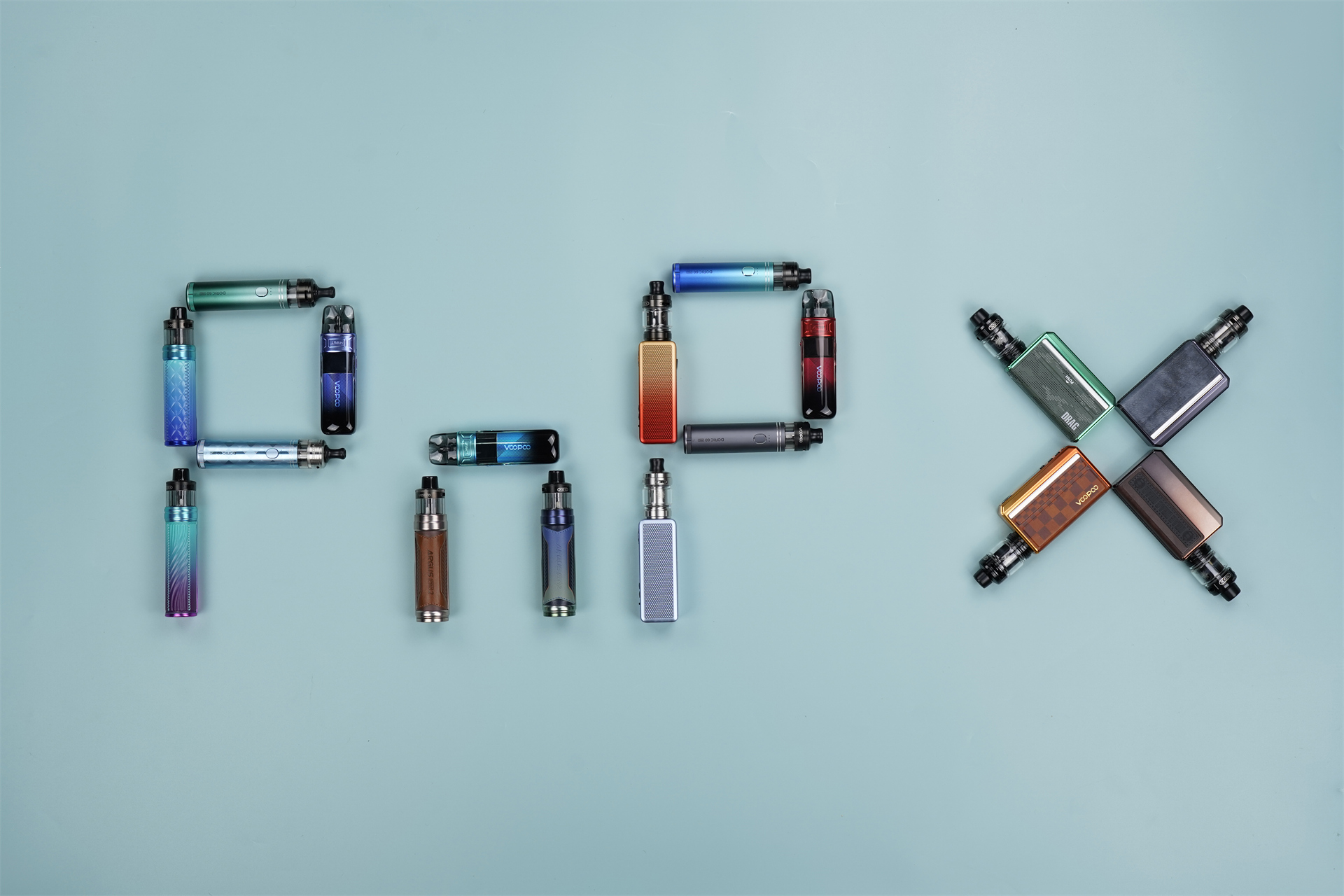
A vape atomizer is no longer just a heating element screwed into a tank. In modern platforms, it is a controlled environment where power delivery, airflow pressure, liquid viscosity, and temperature stability must stay in balance over hundreds of refills.
At its core, an atomizer consists of:
- A heating structure, typically mesh, designed for even thermal distribution
- Wicking material, usually cotton, calibrated for specific saturation speeds
- An airflow pathway that regulates pressure and vapor density
- A housing that manages condensation and prevents leakage
In older designs, these components were treated independently. In newer platforms like PnP X, they are engineered as a single system. This shift explains why coil choice alone is no longer enough. The tank, cartridge, and device chipset now play equal roles in how the atomizer performs over time.
Vape Coils Explained Through Resistance, Heat, and Airflow
Resistance values are often treated as simple numbers, but they represent how much electrical energy is converted into heat. Lower resistance means faster heating and higher vapor output, while higher resistance favors cooler vapor and more controlled delivery.
Mesh coils dominate modern atomizers because they:
- Increase surface contact with e-liquid
- Reduce hot spots that burn cotton prematurely
- Improve flavor consistency across the coil lifespan
VOOPOO PnP X coils build on this by combining mesh with thermally stable cotton and directional coil insertion. This ensures correct alignment inside the tank, maintaining pressure balance and reducing condensation buildup.
MTL Coil: Precision, Efficiency, and Nicotine Control
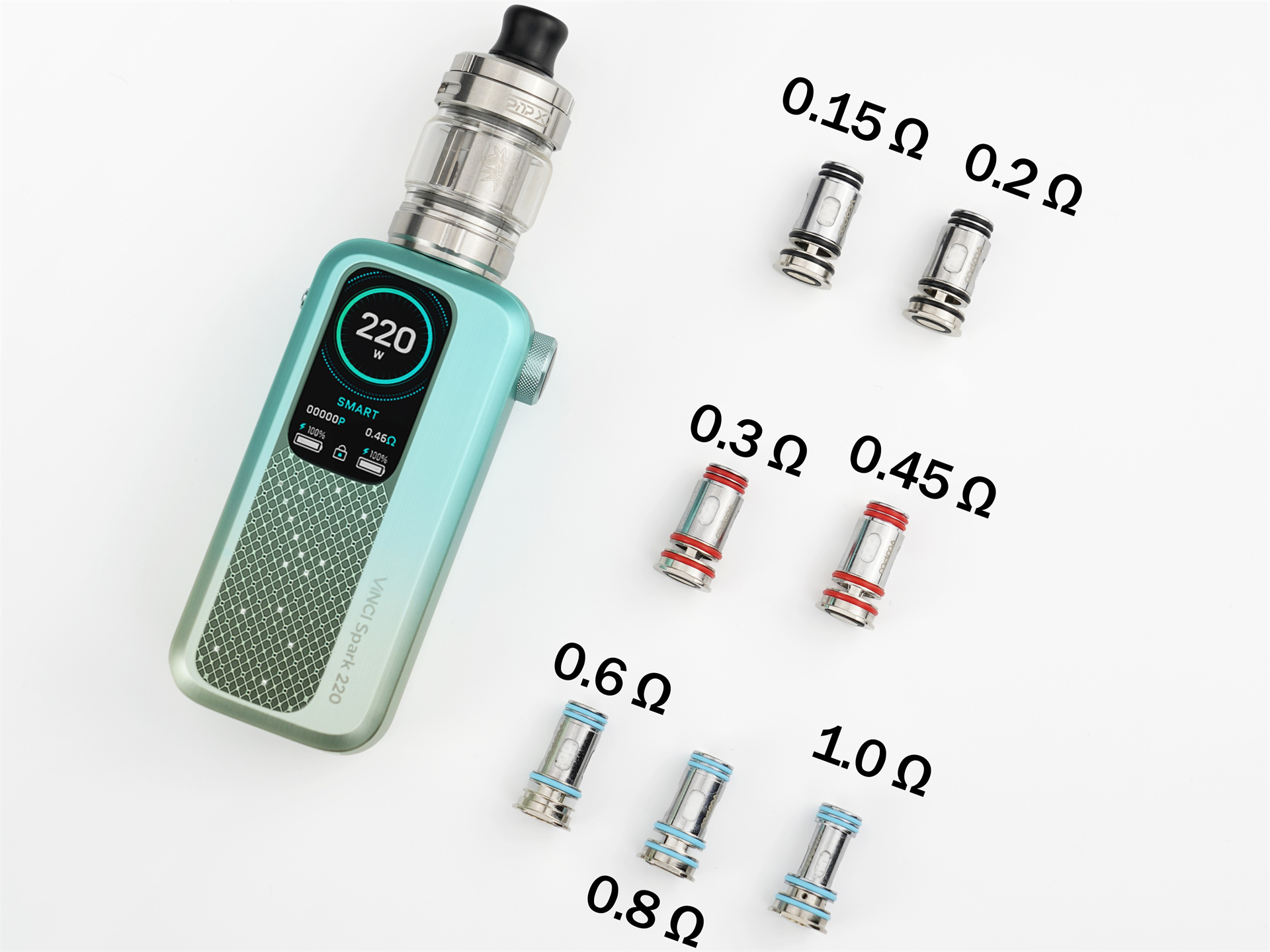
MTL coils are designed for higher resistance and tighter airflow. The goal is not vapor volume, but controlled saturation and flavor clarity. Typical resistance ranges sit above 0.6 Ω, with lower wattage operation.
MTL setups excel when:
- Using higher nicotine strengths or nic salts
- Prioritizing battery efficiency
- Seeking cigarette style draw resistance
The airflow path in MTL tanks is intentionally narrow, increasing vapor density even at low power. When paired with the correct tank, MTL coils deliver consistent throat sensation without overheating the liquid or flooding the chamber.
RDL Coil: The Balance Between Flavor and Vapor
RDL coils exist because many vapers find both extremes limiting. Fully tight draws feel restrictive, while open airflow can dilute flavor. RDL sits between these two, offering warmth, flavor intensity, and moderate vapor production.
RDL coils typically operate in the mid resistance range, often between 0.3 Ω and 0.6 Ω, with wattage that remains manageable on compact devices. The airflow is restricted enough to maintain pressure but open enough to allow deeper inhalation.
This style is especially forgiving across different liquids and is often preferred for all day vaping due to reduced liquid consumption compared to DTL setups.
DTL Coil: Airflow, Power, and Vapor Density
DTL coils are designed for direct lung inhalation, requiring low resistance, higher wattage, and unrestricted airflow. These setups produce dense clouds and warmer vapor, making airflow engineering critical.
DTL atomizers rely on:
- Large airflow inlets to prevent overheating
- High VG liquids to manage wicking speed
- Tank chambers that allow higher vapor density
Without proper airflow control and condensation management, DTL setups are prone to leaking and inconsistent performance. This is why tank design matters as much as coil choice.
Why Tank Design Changes Everything
Even the best coil will underperform in the wrong tank. Chamber size, airflow direction, fill method, and sealing structure all influence how vapor behaves after it leaves the coil.
VOOPOO tanks built for the PnP X platform are designed around specific airflow paths, allowing one coil platform to support multiple vaping styles simply by changing cartridges or tanks.
Matching MTL Coils with VOOPOO Tanks
MTL coils perform best in tanks that offer fine airflow adjustment.
Suitable options include:
- PnP X Cartridge MTL
- PnP X Pod Tank MTL
- VINCI PnP X Cartridge MTL
- ARGUS PnP X Cartridge
These tanks focus on controlled airflow and stable liquid delivery, making them ideal for higher resistance coils and balanced VG ratios.
Matching RDL Coils with VOOPOO Tanks
RDL coils benefit from tanks that allow gradual airflow tuning rather than fixed steps.
Recommended pairings include:
- PnP X Cartridge DTL with partially closed airflow
- PnP X Pod Tank DTL tuned down
- VINCI PnP X Cartridge DTL
These combinations allow users to fine tune warmth and vapor density without overwhelming flavor.
Matching DTL Coils with VOOPOO Tanks
DTL coils require tanks built for airflow volume and condensation control.
Best suited tanks include:
- UFORCE X Tank (PnP X)
- UFORCE X Nano Tank (PnP X)
- PnP X Pod Tank DTL
Top filling designs and wider chimneys help manage vapor output while reducing leaks during high wattage use.
Device Compatibility and Power Management
Coil and tank performance also depends on stable power delivery. Devices using advanced chipsets help maintain consistent output, protecting coils from premature degradation.
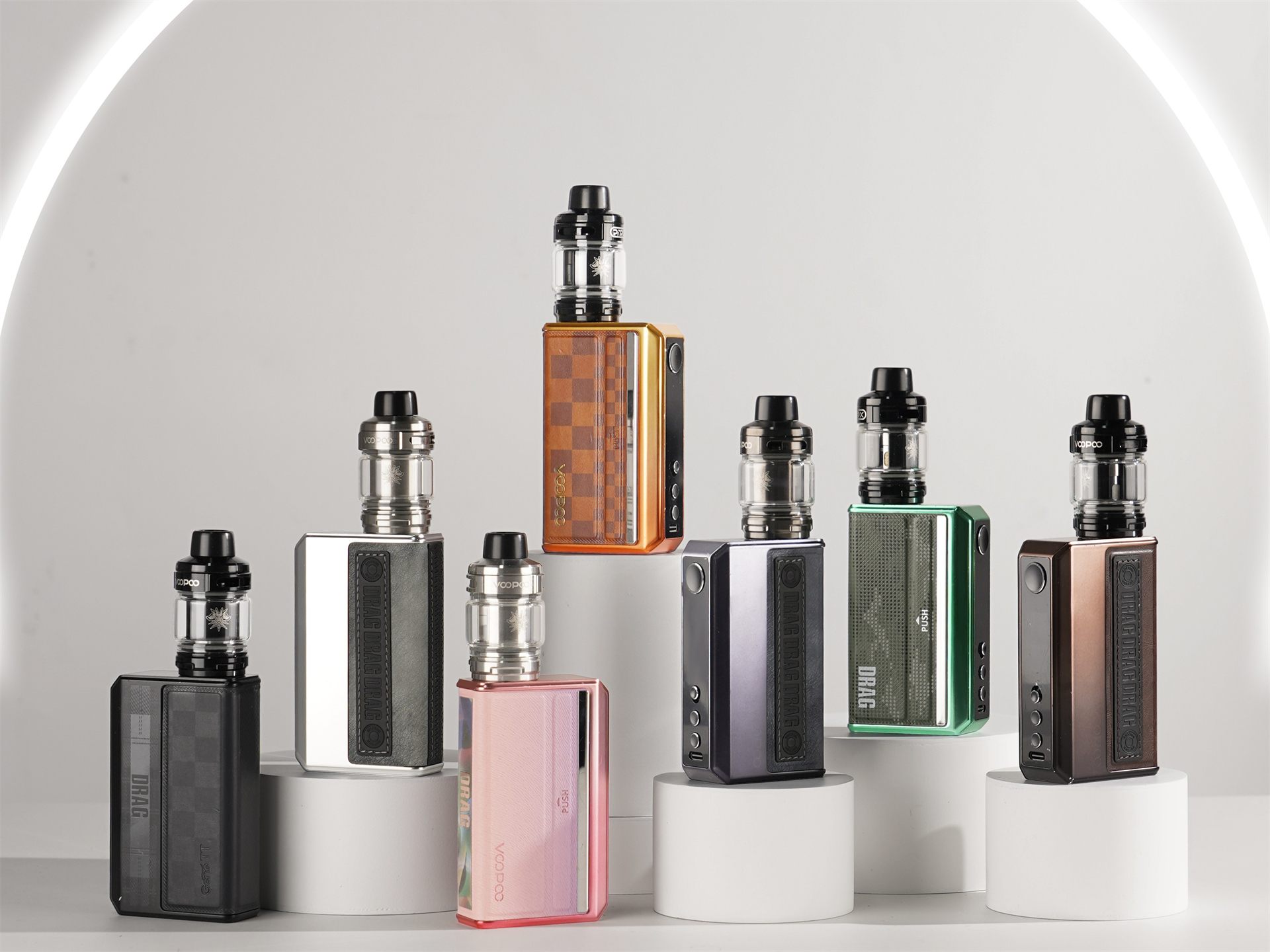
PnP X compatible devices include:
- DRAG X3 and DRAG S3
- DRAG X2 and DRAG S2
- DRAG 5
- VINCI Spark 220 and VINCI Spark 100
- DORIC 60 PRO
- ARGUS PRO 2
These devices support a wide wattage range and airflow configurations, allowing seamless transitions between MTL, RDL, and DTL setups without changing platforms.
Why Coil Longevity Is a System Issue
Short coil lifespan is rarely caused by the coil alone. It is usually the result of:
- Incorrect power settings
- Poor airflow matching
- Liquid viscosity mismatches
- Pressure imbalance inside the tank
PnP X coils address these issues through layered leak resistant structures, optimized cotton material, and controlled heat distribution. When paired with the correct tank and device, coil lifespan becomes predictable rather than variable.
Practical Setup Guidance
For MTL users, prioritize airflow precision over power. Use higher resistance coils and allow sufficient saturation time after refilling.
For RDL users, start with airflow slightly restricted and increase gradually until flavor peaks.
For DTL users, ensure airflow is fully open at higher wattages and avoid chain vaping without adequate cooling time.
Across all styles, staying within recommended wattage ranges and liquid VG ratios has a greater impact on performance than constant adjustments.
Summary
Vape atomizers today are complete systems, not isolated components. Understanding how MTL coil, RDL coil, and DTL coil designs interact with airflow, liquid, and tank structure is essential for consistent performance. When matched correctly with VOOPOO tanks and PnP X compatible devices, modern atomizers deliver stable flavor, reduced leakage, and extended coil life.
Warning: This product may be used with e-liquid products containing nicotine, which is a highly addictive substance.
.jpg)