Vape Leaking Solutions: How Modern Pod and Tank Systems Improve Leak Resistance
 2026-06-02
 GUIDES
Vape leaking is one of the most common issues users face across both pod systems and sub-ohm tanks. While it is often caused by usage habits, modern vaping hardware has significantly improved leak resistance through structural and airflow design innovations. This guide explains how different systems handle leakage prevention and how device pairing can improve overall stability.
Why Vape Leakage Happens
Leakage usually occurs due to a combination of:
- Air pressure imbalance.
- Overfilled pods or tanks.
- Worn sealing components.
- Improper installation or handling.
- Condensation buildup during use.
Understanding these causes helps identify which system design features can reduce leakage.
Anti-Leak Technology in Modern Pod Systems
Modern pod systems use compact sealing structures to improve liquid retention.
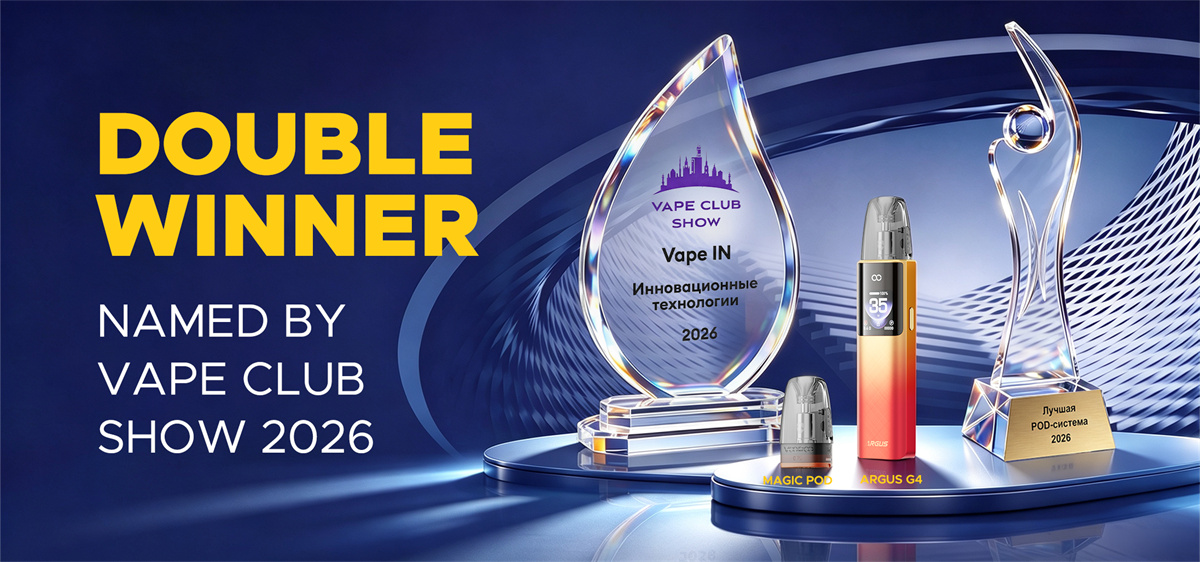
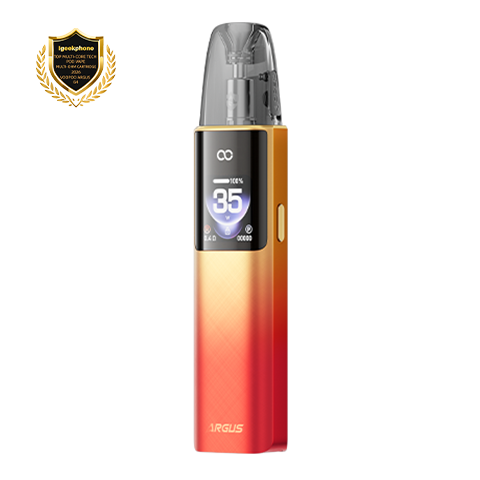
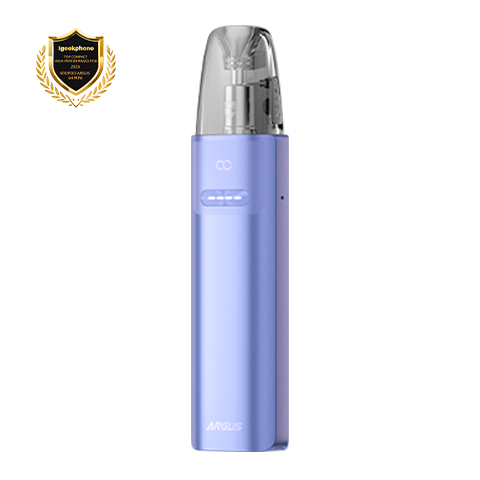
ARGUS Multi-Ohm Cartridge System
The ARGUS Multi-Ohm Cartridge is designed with a sealed pod architecture and internal airflow separation, which helps reduce liquid movement during resistance switching.
Key design advantages include:
- Reinforced internal sealing structure
- Controlled airflow channel design
- Stable liquid saturation across resistance modes
Specifications: 3.5 mL capacity (2 mL TPD), supports 0.4 Ω / 0.7 Ω / 1.0 Ω resistance options. Powered by iCOSM CODE 2.0 atomization technology, featuring Liquid-Seal Shield for 30-day leak resistance, Mega-Core for steady liquid delivery, and Golden Cotton for extended coil lifespan.
This helps maintain consistent performance even when switching between different vaping modes.
Anti-Leak Technology in Tank Systems
Tank systems operate under higher power conditions, so leak prevention relies more on structural airflow control and pressure balance.
UFORCE-X Tank II
The UFORCE-X Tank II is designed with:
- Top airflow system to reduce bottom leakage
- Optimized chamber pressure control
- Reinforced coil base sealing
Specifications: 5 mL capacity (2 mL TPD), built on the PnP X coil platform featuring a patented 4-layer leak-proof design, Thermo-Stable Cotton, and Mesh-Distributed Heating System — supporting up to 100 mL of e-liquid per coil without flavor degradation.
This structure helps minimize leakage even under higher wattage and extended usage conditions.
System Comparison & Device Pairing
The table below compares the key differences between pod systems and tank systems in terms of leak behavior and usage scenarios:
| Dimension | Pod Systems (e.g., ARGUS Multi-Ohm Cartridge + ARGUS G4) | Tank Systems (e.g., UFORCE-X Tank II + DRAG 6) |
|---|---|---|
| Design Focus | Compact, highly sealed | Large capacity, high airflow |
| E-liquid Capacity | 3.5 mL (TPD 2 mL) | 5 mL (TPD 2 mL) |
| Power Range | Up to 35 W | Up to 220 W |
| Use Case | Everyday portability, low maintenance | High power, high vapor, advanced users |
| Leak Prevention Core | Sealed architecture + iCOSM CODE 2.0 | Top airflow + 4-layer PnP X seal |
| Key Consideration | Sensitive to overfilling and handling | Requires proper coil and wattage setup |
Both systems can perform well when used correctly, but their leak resistance design is optimized for different use cases.
Leak resistance is not only determined by the pod or tank, but also by the device driving it.
ARGUS G4 + ARGUS Multi-Ohm Cartridge
This combination is designed for users who prefer simpler setup, lower maintenance, and flexible resistance modes within a sealed system.
Specifications: Built-in 1650 mAh battery, 35 W max output, Type-C 5 V/2 A fast charge (~45 min).
It is optimized for everyday stable usage with reduced leakage risk.
DRAG 6 + UFORCE-X Tank II
This pairing is designed for advanced users who prefer higher power output, larger vapor production, and more airflow control.
Specifications: Dual built-in 2200 mAh batteries (total 4400 mAh), 220 W max output, powered by GENE TT 3.0 chip.
The tank system is engineered to handle higher wattage while maintaining leak-resistant airflow design.
How to Reduce Leaking in Any System
Regardless of device type:
- Avoid overfilling
- Ensure proper pod or tank installation
- Replace coils or pods regularly
- Keep device upright during storage
- Use recommended wattage settings
Final Thoughts
Modern vaping systems have significantly improved leak resistance through better structural design and airflow engineering.
Pod systems like the ARGUS Multi-Ohm Cartridge focus on sealed convenience, while tank systems like the UFORCE-X Tank II prioritize high-power stability.
When paired correctly with devices such as ARGUS G4 or DRAG 6, users can achieve more stable and leak-resistant performance in daily use.
Warning: This product may be used with e-liquid products containing nicotine, which is a highly addictive substance.
.jpg)